Blog Details
- Home
- Blog Details
How to keep St. Pete sand out of your shower and laundry drains
Living near the stunning beaches of St. Petersburg often lovingly called “St. Pete”, means daily access to soft, white sand and coastal beauty. But that same sand has a sneaky way of following you home, lodging itself in your shower, laundry systems, and ultimately your drains.
While a little sand may seem harmless, over time it can lead to serious plumbing issues clogs, pipe abrasion, slow drainage, and even costly repairs. At Saint Pete Plumbing, we’ve seen firsthand how preventable these problems are with the right habits and systems in place.
This comprehensive guide walks you through why sand is a problem, how it affects your plumbing, and most importantly, how to stop it from entering your shower and laundry drains in the first place.
Why St. Pete Sand Is a Bigger Problem Than You Think
St. Pete beach sand is uniquely fine and powdery. While that makes it ideal for beach days, it also makes it particularly troublesome for plumbing systems.
1. It Doesn’t Dissolve
Unlike soap or organic debris, sand is non-dissolvable. It settles in pipes and builds up over time.
2. It Causes Abrasion
Sand particles act like tiny grains of glass. As water carries them through pipes, they can:
> Scratch pipe interiors
> Wear down joints
> Shorten pipe lifespan
3. It Creates Dense Blockages
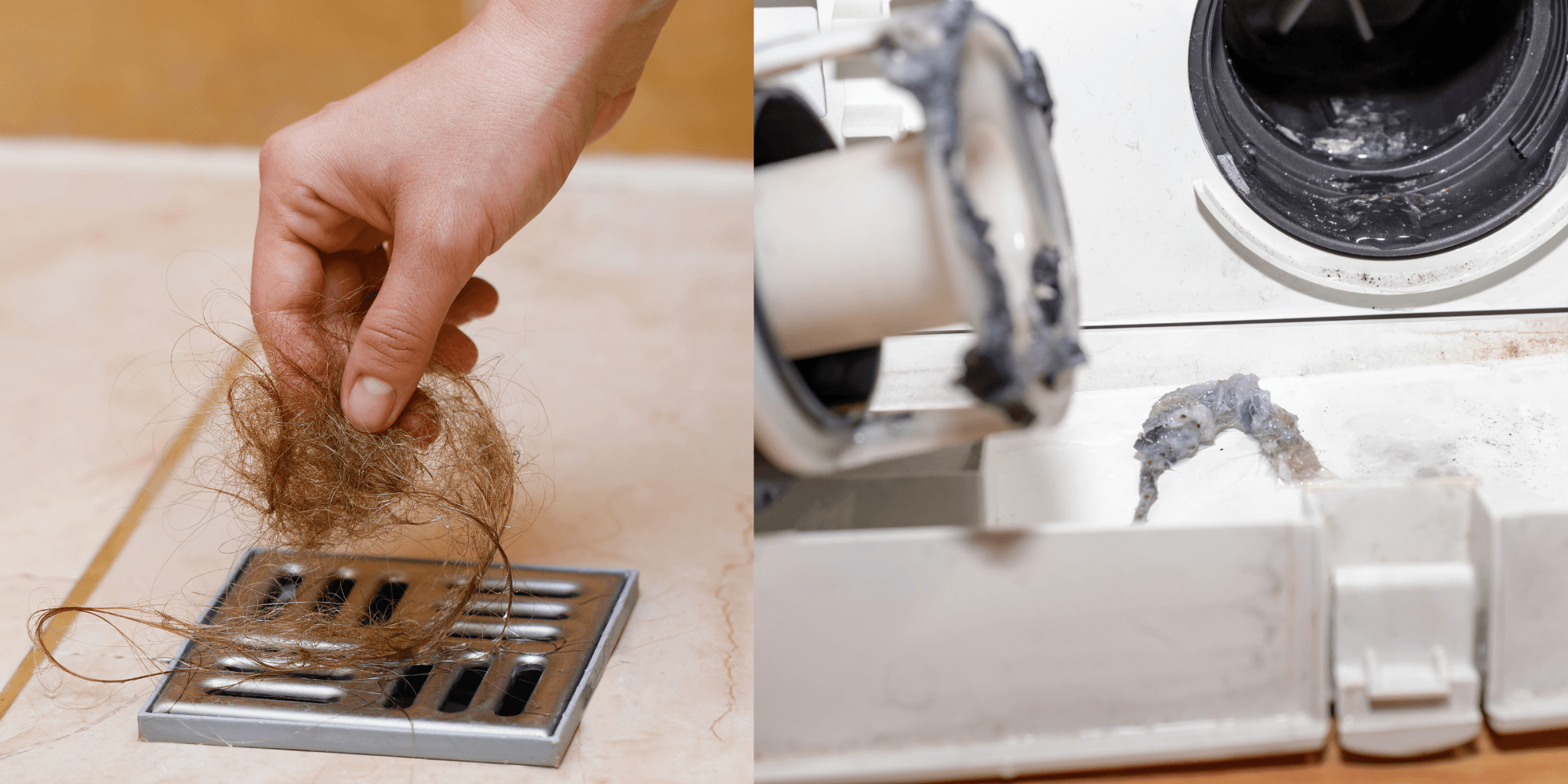
Sand doesn’t just flow through—it accumulates. When mixed with soap scum, lint, and hair, it forms stubborn clogs.
Where Sand Causes the Most Damage
Shower Drains
After a beach day, most sand gets rinsed off in the shower. Without preventive measures:
👉It settles in the P-trap
👉Combines with hair and soap
👉Causes slow drainage or backups
Laundry Drains
Washing sandy towels, swimsuits, and clothes can:
👉Dump large quantities of sand into your washing machine
👉Send sediment into drain pipes
👉Clog lint traps and drainage systems
Outdoor Showers (If You Have One)
Outdoor rinse stations are common in coastal homes—but if not properly designed, they can:
👉Funnel sand directly into your plumbing
👉Accelerate pipe clogging
The Real Cost of Ignoring Sand Buildup
Many homeowners underestimate the long-term impact. Here’s what we frequently see at Saint Pete Plumbing:
👉Frequent drain clogs requiring professional cleaning
👉Damaged washing machine pumps
👉Corroded or worn-out pipes
👉Full pipe replacements due to sediment buildup
Preventing sand entry is far more affordable than fixing these issues later.
Step-by-Step: How to Keep Sand Out of Shower Drains
1. Rinse Before You Go Inside
This is the single most effective habit.
Best Practice:
👉Install an outdoor rinse station or use a hose
👉Rinse feet, legs, hair, and beach gear thoroughly
👉Pay extra attention to:
> Ankles
> Hairline
> Swimsuit seams
Even a quick rinse removes up to 80–90% of sand.
2. Use a High-Quality Drain Catcher
A drain catcher acts as your first line of defense.
Look for:
👉Fine mesh design
👉Silicone or stainless steel material
👉Easy removal and cleaning
These traps collect sand before it enters your pipes.
3. Keep a “Beach Bucket” Near Your Shower
Before stepping in:
👉Shake out towels and clothes into a bucket
👉Let sand settle
👉Dispose of it outside—not down drains
This prevents bulk sand from ever reaching your plumbing.
4. Install a Secondary Filter System
For households near the beach, we recommend:
👉Inline drain filters
👉Sand interceptors
These are especially helpful for families who visit the beach frequently.
5. Clean Your Drain Weekly
Even with precautions, some sand will get through.
Weekly routine:
👉Remove drain cover
👉Flush with hot water
👉Use mild cleaners (avoid harsh chemicals)
Regular maintenance prevents buildup.
How to Keep Sand Out of Laundry Drains
Laundry systems often suffer more than showers because they handle bulk sand loads from towels and clothing.
1. Shake Everything Before Washing
Never put sandy items straight into the washing machine.
Do this instead:
> Shake clothes outdoors
> Use a brush for stubborn sand
> Turn garments inside out
This simple step dramatically reduces sand entry.
2. Use a Pre-Rinse Cycle (Outside If Possible)
If your home setup allows:
> Rinse beach items with a hose
> Or run a rinse-only cycle first
Discard that water before a full wash cycle.
3. Install a Lint and Sand Trap
Most washing machines have lint traps—but they aren’t designed for sand.
Upgrade to:
> External lint filters
> Mesh discharge filters
These capture sand before it reaches your drain pipes.
4. Avoid Overloading the Washer
Overloading:
> Prevents proper rinsing
> Traps sand in fabric
> Pushes debris into drains
Smaller loads = cleaner rinse cycles.
5. Clean the Washing Machine Regularly
Sand often settles inside the machine itself.
Monthly maintenance:
> Run an empty hot cycle
> Clean the drum and filter
> Check hoses for buildup
Smart Home Upgrades for Coastal Living
If you live full-time in St. Petersburg or nearby beach areas, investing in a few upgrades can save thousands in repairs.
1. Outdoor Shower with Proper Drainage
Install a dedicated outdoor shower that:
> Drains into a sand trap system
> Uses gravel filtration before reaching pipes
2. Sand Interceptor Systems
These devices:
> Capture sediment before it enters plumbing
> Are ideal for high-traffic beach homes
3. Sloped Entryways and Mats
Use:
> Sand-trapping mats
> Textured entry flooring
These reduce how much sand enters your home in the first place.
4. Dedicated Beach Gear Area
Create a space for:
> Towels
> Swimsuits
> Footwear
This prevents sand from spreading indoors.
Common Mistakes to Avoid
Even well-intentioned homeowners make these errors:
Washing Sand Directly Down the Drain
Never rinse buckets or gear directly into indoor drains.
Using Chemical Drain Cleaners Excessively
They don’t remove sand effectively and can damage pipes.
Ignoring Slow Drains
Slow drainage is often the first sign of sand buildup.
Skipping Maintenance
Waiting until a clog forms leads to bigger problems.
Signs Sand Is Already Causing Problems
Watch for these warning signs:
> Slow-draining shower or laundry water
> Gurgling sounds in pipes
> Frequent clogs
> Washing machine not draining properly
If you notice these, it’s time to act quickly.
When to Call a Professional
DIY methods can only go so far. Contact experts like Saint Pete Plumbing if you experience:
> Recurring clogs despite cleaning
> Water backing up into tubs or sinks
> Washing machine drainage issues
> Suspected pipe damage
Professional plumbers use:
> Hydro jetting
> Camera inspections
> Advanced filtration solutions
Pro Tips from Saint Pete Plumbing Experts
Here are insider tips we share with coastal homeowners:
> Keep two sets of towels: one for the beach, one for home
> Use baby powder on skin to remove sand before rinsing
> Vacuum entryways frequently to prevent sand spread
> Install foot rinse stations near entrances
These small habits make a big difference over time.
Creating a Sand-Free Routine (Sample Daily System)
Here’s an easy routine for beach days:
1. Rinse off outside
2. Shake towels and clothes outdoors
3. Store beach items separately
4. Use drain catchers in showers
5. Clean drains weekly
6. Consistency is key.
Final Thoughts
Living near the beaches of St. Petersburg is a dream—but it comes with unique home maintenance challenges. Sand may be unavoidable outside, but it doesn’t have to damage your plumbing inside.
By combining:
> Smart habits
> Preventive tools
> Regular maintenance
you can protect your shower and laundry drains for years to come.
If you’re already experiencing issues or want to upgrade your home’s plumbing defenses, the experts at Saint Pete Plumbing are always ready to help with tailored solutions designed specifically for coastal living.

Recent Posts
Recent Comments
Categories
- Aerobic Septic Tank
- appliance
- Bathroom
- Bathroom Plumbing
- Burst Pipe
- Commercial Plumbing
- Dishwasher
- Drain Cleaning
- Drain Heater
- Emergency Plumbing
- Faucet
- flood
- Garbage Disposal
- Garden Hose
- Home Water Pressure
- house clean
- Leak Repair
- Low Water Pressure
- New Home Plumbing
- pipe repair
- Plumbing
- Plumbing Checklist
- Plumbing Services
- Plumbing Tips
- Residential Plumbing
- Restoration
- Septic Tank
- Sewage
- Sewer Backup
- Shower
- Shower Cartridge
- Sump Pumps
- Thermostatic
- Toilet
- Toilet Seal
- Toilet Tank
- Trap Primer
- Vent Pipes Plumbing
- video inspection
- Water Heaters
- Water Softening
Tags
- 24 hour commercial plumbing
- 24 Hour Emergency
- 24 hour faucet installation st petersburg
- 24 Hour Plumbing Services
- 24 hour residential plumbing
- affordable solutions
- Appliance Repair
- appliance repair and installation
- appliance repair service
- Appliance Repair St. Petersburg
- Best Water Damage Restoration
- Build
- Clean
- clean water
- clogged drain
- Commercial Plumbing
- Commercial plumbing services
- Design
- Dishwasher Installation
- Drano doesn't work
- Emergency Flood Damage Repair
- faucet installation
- Faucet Installation Cost Guide
- faucet repair
- Fix Leaky Faucet
- Flood Restoration
- Florida Sewage Backup
- Frozen Pipe
- Frozen Pipe Repair
- Garbage Disposal Plumbing
- Garbage Disposal Repair
- Garden Hose Leaking
- Garden Hose Repair
- How to fix a leaking hose pipe
- installation
- leaky faucet in St. Petersburg
- low water pressure
- Low Water Pressure and Dripping Faucets
- Pipe Repair
- pipe Replacement
- Plumber in Pinellas Park FL
- Plumber in St. Petersbur
- Plumbers St. Petersburg
- Plumbing Services
- plumbing services in Pinellas
- Plumbing Video Camera
- prevention services
- Re-Piping
- Repair
- Residential Plumbing
- residential plumbing services
- Restoration Contractors
- Roof
- Rooftop
- Services
- Sewage Backup Cleanup
- Sewage Cleanup Services
- Sewer Camera Inspection
- Softening & Filtration Systems
- St Petersburg Restoration Services
- Sump Pump Installation
- sump pump repair
- Sump Pumps
- Toilet Repair
- Trenchless pipe repair
- Underground pipe relining
- Underground Pipe Repair without Digging
- video inspection camera
- Washing Machine Repairs
- water damage restoration
- Water Extraction
- Water removal & extraction
- Water Softening
Popular Feeds
Get In Touch
Tags
- 24 hour commercial plumbing
- 24 Hour Emergency
- 24 hour faucet installation st petersburg
- 24 Hour Plumbing Services
- 24 hour residential plumbing
- affordable solutions
- Appliance Repair
- appliance repair and installation
- appliance repair service
- Appliance Repair St. Petersburg
- Best Water Damage Restoration
- Build
- Clean
- clean water
- clogged drain
- Commercial Plumbing
- Commercial plumbing services
- Design
- Dishwasher Installation
- Drano doesn't work
- Emergency Flood Damage Repair
- faucet installation
- Faucet Installation Cost Guide
- faucet repair
- Fix Leaky Faucet
- Flood Restoration
- Florida Sewage Backup
- Frozen Pipe
- Frozen Pipe Repair
- Garbage Disposal Plumbing
- Garbage Disposal Repair
- Garden Hose Leaking
- Garden Hose Repair
- How to fix a leaking hose pipe
- installation
- leaky faucet in St. Petersburg
- low water pressure
- Low Water Pressure and Dripping Faucets
- Pipe Repair
- pipe Replacement
- Plumber in Pinellas Park FL
- Plumber in St. Petersbur
- Plumbers St. Petersburg
- Plumbing Services
- plumbing services in Pinellas
- Plumbing Video Camera
- prevention services
- Re-Piping
- Repair
- Residential Plumbing
- residential plumbing services
- Restoration Contractors
- Roof
- Rooftop
- Services
- Sewage Backup Cleanup
- Sewage Cleanup Services
- Sewer Camera Inspection
- Softening & Filtration Systems
- St Petersburg Restoration Services
- Sump Pump Installation
- sump pump repair
- Sump Pumps
- Toilet Repair
- Trenchless pipe repair
- Underground pipe relining
- Underground Pipe Repair without Digging
- video inspection camera
- Washing Machine Repairs
- water damage restoration
- Water Extraction
- Water removal & extraction
- Water Softening

Categories
- Aerobic Septic Tank
- appliance
- Bathroom
- Bathroom Plumbing
- Burst Pipe
- Commercial Plumbing
- Dishwasher
- Drain Cleaning
- Drain Heater
- Emergency Plumbing
- Faucet
- flood
- Garbage Disposal
- Garden Hose
- Home Water Pressure
- house clean
- Leak Repair
- Low Water Pressure
- New Home Plumbing
- pipe repair
- Plumbing
- Plumbing Checklist
- Plumbing Services
- Plumbing Tips
- Residential Plumbing
- Restoration
- Septic Tank
- Sewage
- Sewer Backup
- Shower
- Shower Cartridge
- Sump Pumps
- Thermostatic
- Toilet
- Toilet Seal
- Toilet Tank
- Trap Primer
- Vent Pipes Plumbing
- video inspection
- Water Heaters
- Water Softening
Get In Touch