Blog Details
- Home
- Blog Details
Why your pipes look like they’re leaking during a Florida summer (and how to fix it)
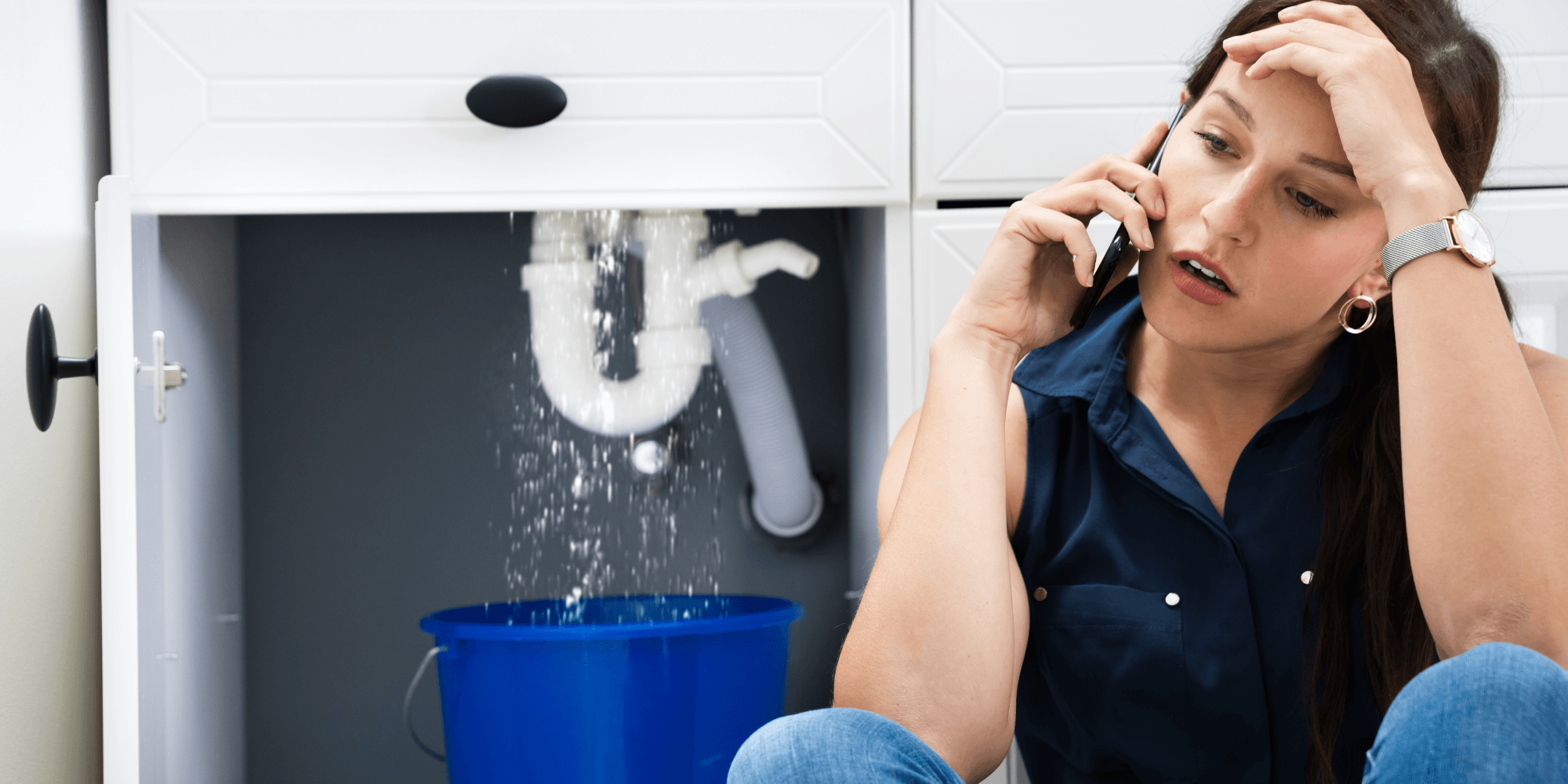
If you live in Florida, you’ve likely noticed something strange during peak summer months, your pipes appear to be “leaking,” even when there’s no obvious damage.
You might see:
> Water droplets forming on exposed pipes
> Puddles under sinks
> Damp spots around plumbing lines
Naturally, your first thought might be: “Do I have a leak?”
In many cases, the answer is no. What you’re seeing is actually condensation, a very common phenomenon in hot, humid climates like St. Petersburg.
At Saint Pete Plumbing, we get countless service calls every summer for this exact issue. This detailed guide will explain why it happens, how to tell the difference between condensation and real leaks, and what you can do to fix it.
What’s Really Happening: Pipe “Sweating”
The technical term for this issue is pipe sweating.
The Science Behind It
When:
> Warm, humid air comes into contact with
> Cold pipe surfaces (especially cold water lines)
…the moisture in the air condenses into water droplets on the pipe.
This is the same reason:
> A cold glass of water “sweats” on a hot day
> Your AC vents drip during humid weather
In Florida’s summer climate, humidity levels often exceed 70-90%, making condensation much more intense.
Why It’s Worse in Florida Summers
1. High Humidity Levels
Cities like St. Petersburg experience:
> Constant coastal humidity
> Moist air saturation
This creates the perfect conditions for condensation.
2. Cold Water Temperature Difference
Your plumbing carries:
> Cold groundwater or cooled municipal water
> When it meets warm indoor air, condensation forms rapidly.
3. Poor Ventilation
Areas like:
> Under sinks
> Laundry rooms
> Closets
often trap humid air, increasing moisture buildup.
4. Insufficient Pipe Insulation
Uninsulated pipes are directly exposed to humid air, making them more prone to sweating.
Common Places You’ll Notice “Leaking” Pipes
> Under kitchen and bathroom sinks
> Behind washing machines
> Around exposed plumbing in garages
> Near water heaters
> Basement or utility areas
Condensation vs. Real Leak: How to Tell the Difference
It’s important not to ignore the issue but also not to panic.
Signs It’s Condensation
> Water appears evenly across the pipe surface
> No dripping from joints or connections
> Happens mostly during hot, humid days
> Stops or reduces when humidity drops
Signs It Might Be a Real Leak
> Continuous dripping from a specific spot
> Water pooling even in dry weather
> Visible corrosion or pipe damage
> Increasing water bill
If you’re unsure, it’s always best to consult experts like Saint Pete Plumbing.
Why You Shouldn’t Ignore Sweating Pipes
Even though it’s not a leak, condensation can still cause serious problems:
1. Mold and Mildew Growth
Constant moisture creates the perfect breeding ground for mold.
2. Water Damage
Over time, dripping condensation can:
> Damage cabinets
> Warp wood
> Stain walls and floors
3. Pipe Corrosion
Repeated moisture exposure can shorten pipe lifespan.
4. Increased Humidity Indoors
This can make your home feel:
> Sticky
> Uncomfortable
> Harder to cool
How to Fix Sweating Pipes (Step-by-Step)
1. Insulate Your Pipes
This is the most effective solution.
Use:
> Foam pipe insulation
> Rubber insulation sleeves
Benefits:
> Prevents warm air from touching cold pipes
> Reduces condensation significantly
2. Improve Ventilation
Increase airflow in problem areas:
> Open cabinet doors
> Install vents or exhaust fans
> Use small fans in enclosed spaces
Better airflow = less trapped humidity.
3. Use a Dehumidifier
A powerful solution for Florida homes:
> Reduces overall indoor humidity
> Protects not just pipes, but furniture and walls
4. Fix Air Leaks
Warm air entering from outside worsens condensation.
Check for:
> Gaps around windows
> Poor sealing around doors
> Cracks near plumbing entry points
Seal these areas to keep humid air out.
5. Adjust Your Thermostat
Extreme indoor-outdoor temperature differences increase condensation.
Try:
> Keeping indoor temperature consistent
> Avoiding overly cold AC settings
6. Wipe Pipes and Monitor
Short-term fix:
> Wipe down pipes regularly
> Place absorbent mats underneath
This won’t solve the root cause but helps manage moisture.
Advanced Solutions for Persistent Issues
Anti-Condensation Coatings
Special coatings can be applied to pipes to reduce moisture buildup.
Pipe Replacement or Rerouting
In some cases:
> Pipes may be installed in poorly ventilated areas
> Rerouting can reduce exposure to humid air
Whole-Home Dehumidification Systems
For severe humidity issues:
> Integrated systems control moisture levels throughout the house
Special Considerations for Laundry Areas
Laundry rooms are especially prone to condensation because of:
> Heat from dryers
> Moisture from washing machines
Tips:
> Install proper dryer venting
> Keep the area well-ventilated
> Avoid overloading washers (which increases humidity output)
Preventive Maintenance Checklist
Use this quick checklist during summer months:
> Inspect exposed pipes weekly
> Install insulation where needed
> Check for mold or mildew
> Ensure proper ventilation
> Monitor humidity levels
Common Mistakes Homeowners Make
Ignoring the Problem
Condensation may seem harmless but can lead to damage.
Misdiagnosing a Leak
Not all moisture means a plumbing failure.
Skipping Insulation
This is the simplest and most effective fix—yet often overlooked.
Overusing Towels or Temporary Fixes
These don’t address the root cause.
When to Call a Professional
Contact Saint Pete Plumbing if:
> You can’t determine if it’s a leak or condensation
> Moisture persists despite insulation
> You notice mold growth
> Pipes show signs of corrosion
Professional plumbers can:
> Inspect your system
> Identify hidden leaks
> Recommend long-term solutions
Pro Tips from Saint Pete Plumbing Experts
> Always insulate cold water lines in humid climates
> Install humidity monitors in key areas
> Use moisture-resistant materials under sinks
> Schedule seasonal plumbing inspections
Daily Habits That Help
> Run exhaust fans when using hot water
> Keep cabinets slightly open for airflow
> Use AC consistently during humid months
> Check problem areas regularly
Final Thoughts
If your pipes look like they’re leaking during a summer in Florida, chances are you’re dealing with condensation—not a plumbing failure.
However, that doesn’t mean you should ignore it.
With the right combination of:
> Pipe insulation
> Humidity control
> Proper ventilation
You can eliminate the issue and protect your home from long-term damage.
For expert diagnosis and lasting solutions, trust the professionals at Saint Pete Plumbing—your go-to team for reliable plumbing care in St. Petersburg.

Recent Posts
Recent Comments
Categories
- Aerobic Septic Tank
- appliance
- Bathroom
- Bathroom Plumbing
- Burst Pipe
- Commercial Plumbing
- Dishwasher
- Drain Cleaning
- Drain Heater
- Emergency Plumbing
- Faucet
- flood
- Garbage Disposal
- Garden Hose
- Home Water Pressure
- house clean
- Leak Repair
- Low Water Pressure
- New Home Plumbing
- pipe repair
- Plumbing
- Plumbing Checklist
- Plumbing Services
- Plumbing Tips
- Residential Plumbing
- Restoration
- Septic Tank
- Sewage
- Sewer Backup
- Shower
- Shower Cartridge
- Sump Pumps
- Thermostatic
- Toilet
- Toilet Seal
- Toilet Tank
- Trap Primer
- Vent Pipes Plumbing
- video inspection
- Water Heaters
- Water Softening
Tags
- 24 hour commercial plumbing
- 24 Hour Emergency
- 24 hour faucet installation st petersburg
- 24 Hour Plumbing Services
- 24 hour residential plumbing
- affordable solutions
- Appliance Repair
- appliance repair and installation
- appliance repair service
- Appliance Repair St. Petersburg
- Best Water Damage Restoration
- Build
- Clean
- clean water
- clogged drain
- Commercial Plumbing
- Commercial plumbing services
- Design
- Dishwasher Installation
- Drano doesn't work
- Emergency Flood Damage Repair
- faucet installation
- Faucet Installation Cost Guide
- faucet repair
- Fix Leaky Faucet
- Flood Restoration
- Florida Sewage Backup
- Frozen Pipe
- Frozen Pipe Repair
- Garbage Disposal Plumbing
- Garbage Disposal Repair
- Garden Hose Leaking
- Garden Hose Repair
- How to fix a leaking hose pipe
- installation
- leaky faucet in St. Petersburg
- low water pressure
- Low Water Pressure and Dripping Faucets
- Pipe Repair
- pipe Replacement
- Plumber in Pinellas Park FL
- Plumber in St. Petersbur
- Plumbers St. Petersburg
- Plumbing Services
- plumbing services in Pinellas
- Plumbing Video Camera
- prevention services
- Re-Piping
- Repair
- Residential Plumbing
- residential plumbing services
- Restoration Contractors
- Roof
- Rooftop
- Services
- Sewage Backup Cleanup
- Sewage Cleanup Services
- Sewer Camera Inspection
- Softening & Filtration Systems
- St Petersburg Restoration Services
- Sump Pump Installation
- sump pump repair
- Sump Pumps
- Toilet Repair
- Trenchless pipe repair
- Underground pipe relining
- Underground Pipe Repair without Digging
- video inspection camera
- Washing Machine Repairs
- water damage restoration
- Water Extraction
- Water removal & extraction
- Water Softening
Popular Feeds
Get In Touch
Tags
- 24 hour commercial plumbing
- 24 Hour Emergency
- 24 hour faucet installation st petersburg
- 24 Hour Plumbing Services
- 24 hour residential plumbing
- affordable solutions
- Appliance Repair
- appliance repair and installation
- appliance repair service
- Appliance Repair St. Petersburg
- Best Water Damage Restoration
- Build
- Clean
- clean water
- clogged drain
- Commercial Plumbing
- Commercial plumbing services
- Design
- Dishwasher Installation
- Drano doesn't work
- Emergency Flood Damage Repair
- faucet installation
- Faucet Installation Cost Guide
- faucet repair
- Fix Leaky Faucet
- Flood Restoration
- Florida Sewage Backup
- Frozen Pipe
- Frozen Pipe Repair
- Garbage Disposal Plumbing
- Garbage Disposal Repair
- Garden Hose Leaking
- Garden Hose Repair
- How to fix a leaking hose pipe
- installation
- leaky faucet in St. Petersburg
- low water pressure
- Low Water Pressure and Dripping Faucets
- Pipe Repair
- pipe Replacement
- Plumber in Pinellas Park FL
- Plumber in St. Petersbur
- Plumbers St. Petersburg
- Plumbing Services
- plumbing services in Pinellas
- Plumbing Video Camera
- prevention services
- Re-Piping
- Repair
- Residential Plumbing
- residential plumbing services
- Restoration Contractors
- Roof
- Rooftop
- Services
- Sewage Backup Cleanup
- Sewage Cleanup Services
- Sewer Camera Inspection
- Softening & Filtration Systems
- St Petersburg Restoration Services
- Sump Pump Installation
- sump pump repair
- Sump Pumps
- Toilet Repair
- Trenchless pipe repair
- Underground pipe relining
- Underground Pipe Repair without Digging
- video inspection camera
- Washing Machine Repairs
- water damage restoration
- Water Extraction
- Water removal & extraction
- Water Softening

Categories
- Aerobic Septic Tank
- appliance
- Bathroom
- Bathroom Plumbing
- Burst Pipe
- Commercial Plumbing
- Dishwasher
- Drain Cleaning
- Drain Heater
- Emergency Plumbing
- Faucet
- flood
- Garbage Disposal
- Garden Hose
- Home Water Pressure
- house clean
- Leak Repair
- Low Water Pressure
- New Home Plumbing
- pipe repair
- Plumbing
- Plumbing Checklist
- Plumbing Services
- Plumbing Tips
- Residential Plumbing
- Restoration
- Septic Tank
- Sewage
- Sewer Backup
- Shower
- Shower Cartridge
- Sump Pumps
- Thermostatic
- Toilet
- Toilet Seal
- Toilet Tank
- Trap Primer
- Vent Pipes Plumbing
- video inspection
- Water Heaters
- Water Softening
Get In Touch