Blog Details
- Home
- Blog Details
Plumbing Vent Pipes: Importance & Issues
Plumbing systems are often taken for granted—until something goes wrong. While most homeowners are familiar with pipes that carry water and drain waste, fewer understand the critical role of plumbing vent pipes. These hidden pipes are essential for proper drainage, preventing sewer gas buildup, and maintaining a healthy plumbing system.
At Saint Pete Plumbing, we frequently inspect, repair, and install vent pipes for homes in St. Petersburg and the surrounding areas. Understanding the importance of vent pipes, common issues, and proper maintenance helps homeowners avoid costly plumbing problems.
What Are Plumbing Vent Pipes?
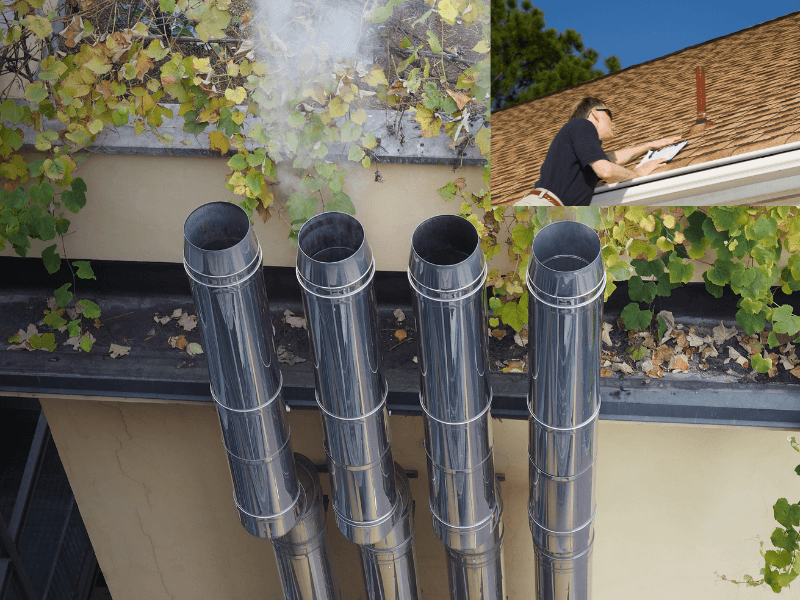
A plumbing vent pipe, also called a vent stack or soil vent, is a vertical pipe connected to your home’s drainage system. Its main functions include:
1. Allowing Airflow in the Drainage System: Vent pipes let air enter the system, which prevents negative pressure that could slow or stop the flow of wastewater.
2. Preventing Sewer Gases from Entering the Home: Vent pipes allow harmful gases like methane and hydrogen sulfide to escape safely through the roof.
3. Maintaining Proper Drainage: By balancing air pressure, vent pipes ensure water drains smoothly from sinks, toilets, and showers without gurgling or backflow.
Without a vent system, plumbing drains would struggle to function, and foul odors could accumulate inside your home.
How Plumbing Vent Pipes Work
Vent pipes are connected to your main drainage system and extend vertically, usually through the roof. Here’s how they function:
1. Air Enters the Drain System
> As wastewater flows down the pipes, it creates negative pressure (suction).
> Vent pipes allow air to enter the system, preventing vacuum conditions that could impede drainage.
2. Sewer Gases Escape Safely
> Wastewater releases gases that are harmful and smelly.
> Vent stacks direct these gases out of the home through the roof, preventing exposure indoors.
3. Pressure Balancing
> Vent pipes balance pressure differences when multiple fixtures are used simultaneously.
> This ensures smooth drainage and prevents water from being siphoned out of traps, which could allow sewer gases to enter the home.
Common Types of Vent Pipes
There are several types of vent pipes used in residential plumbing:
Main Vent Stack:
> The primary vent connected to the main sewer line.
> Typically extends through the roof.
Branch Vent:
> Connects individual fixtures to the main vent stack.
> Ensures proper air supply to sinks, toilets, and showers.
Air Admittance Valve (AAV):
> A one-way valve that allows air into the drainage system without venting through the roof.
> Used in modern or retrofit installations where traditional venting is difficult.
Each type of vent plays a role in ensuring efficient drainage and preventing plumbing odors.
Signs of Plumbing Vent Problems
Vent pipes are usually hidden, so problems often manifest through indirect signs. Homeowners should watch for:
1. Slow Drains:
Sink, toilet, or shower drains slowly due to improper airflow in the system.
2. Gurgling Sounds:
Bubbles or gurgles in drains indicate trapped air or negative pressure.
3. Foul Odors:
Sewer smells inside the home may indicate a blocked or damaged vent pipe.
5. Water Backups:
Toilets or sinks overflowing can result from vent issues.
6. Siphoned Traps:
Water disappearing from P-traps (under sinks) can allow sewer gases into your home.
If you notice these issues, it’s crucial to inspect vent pipes promptly to prevent further plumbing complications.
Common Causes of Vent Pipe Issues
Several factors can lead to vent pipe problems:
1. Blockages
Leaves, debris, bird nests, or other objects can block vent stacks, preventing airflow.
2. Frozen Vents
In colder climates, vent pipes extending through the roof may freeze, restricting airflow.
3. Pipe Damage or Cracks
Old or corroded pipes can crack or separate, causing leaks, odors, or drainage issues.
4. Improper Installation
Incorrect vent pipe sizing or placement can compromise system performance and lead to drainage problems.
Regular inspection and maintenance help prevent these issues before they become emergencies.
Solutions for Plumbing Vent Problems
Professional plumbers have several methods for resolving vent pipe issues:
1. Clearing Blockages
> Use specialized tools like augers or plumbers’ snakes to remove debris.
> High-pressure water jetting may be used for stubborn obstructions.
2. Repairing Damaged Pipes
> Replace cracked or corroded vent sections to restore proper airflow.
> Use durable materials like PVC for longevity.
3. Installing Air Admittance Valves
AAVs can supplement or replace roof vents where traditional venting is impractical.
4. Routine Maintenance
Schedule periodic inspections to check for blockages, cracks, or improper installation.
Saint Pete Plumbing provides comprehensive vent pipe services, ensuring your system functions efficiently and safely.
Why Proper Venting Is Crucial
Proper venting is not just about convenience—it’s a safety and health necessity:
>Prevents Sewer Gas Exposure: Methane and hydrogen sulfide are toxic and potentially explosive.
>Protects Plumbing Infrastructure: Balanced pressure prevents damage to pipes and fixtures.
>Maintains Water Traps: Prevents siphoning of water from traps, avoiding foul odors.
>Ensures Efficient Drainage: Proper airflow allows multiple fixtures to operate simultaneously without slow drainage or backups.
Neglecting vent maintenance can lead to costly repairs and health risks for homeowners.
Maintenance Tips for Vent Pipes
Regular maintenance keeps your plumbing vent system performing optimally:
1. Inspect Roof Vent Openings: Ensure they are free from debris, bird nests, or ice.
2. Clean or Flush Vents: Remove blockages with a plumber’s snake or water jetting.
3. Check for Cracks or Leaks: Inspect visible vent pipes for corrosion or damage.
4. Professional Inspection: Schedule periodic checks by licensed plumbers to ensure proper sizing and function.
5. Install Guards or Screens: Prevent leaves or animals from entering the vent stack.
Proactive maintenance prevents odors, slow drains, and more serious plumbing problems.
Common Questions About Plumbing Vents
Q: Can I unclog a vent myself?
A: Minor debris may be cleared if the vent is accessible, but professional inspection ensures the system isn’t damaged and is fully functional.
Q: Do all homes need roof vent pipes?
A: Yes, traditional plumbing systems require vents for air circulation and gas release, though AAVs can supplement where roof venting is impractical.
Q: How often should vent pipes be inspected?
A: Annually, or more frequently in homes with large trees nearby, aging pipes, or previous vent issues.
Q: Are vent pipes covered by home insurance?
A: Damage from storms or accidents may be covered, but routine maintenance is typically the homeowner’s responsibility.
Why Choose Saint Pete Plumbing
At Saint Pete Plumbing, we specialize in:
1. Vent pipe inspection and maintenance
2. Clearing blocked or damaged vents
3. Repairing or replacing cracked pipes
4. Installing air admittance valves and modern vent solutions
5. Expert advice on preventing future vent problems
Our licensed plumbers ensure your home’s plumbing vent system works safely and efficiently, protecting your health, property, and plumbing infrastructure.
Conclusion
Plumbing vent pipes may be hidden from view, but they are vital for safe and efficient drainage. By allowing airflow, preventing sewer gas buildup, and balancing pressure, vent pipes maintain the integrity of your plumbing system.
Homeowners should watch for slow drains, gurgling sounds, foul odors, or siphoned traps, which may indicate vent problems. Early detection, professional inspection, and proper maintenance can prevent serious issues, protect your family’s health, and avoid costly repairs.
Saint Pete Plumbing provides expert vent pipe services in St. Petersburg and surrounding areas, from routine inspections to repairs, replacements, and installations. Trust our team to ensure your plumbing system is safe, efficient, and reliable.
📞 Call Saint Pete Plumbing at (727) 800- 7667
🌐 Book Your Appointment Online at – www.saintpeteplumbing.com
📍 Serving All of St. Petersburg, Gulfport, and Pinellas County

Recent Posts
Recent Comments
Categories
- Aerobic Septic Tank
- appliance
- Bathroom
- Bathroom Plumbing
- Burst Pipe
- Commercial Plumbing
- Dishwasher
- Drain Cleaning
- Drain Heater
- Emergency Plumbing
- Faucet
- flood
- Garbage Disposal
- Garden Hose
- Home Water Pressure
- house clean
- Leak Repair
- Low Water Pressure
- New Home Plumbing
- pipe repair
- Plumbing
- Plumbing Checklist
- Plumbing Services
- Plumbing Tips
- Residential Plumbing
- Restoration
- Septic Tank
- Sewage
- Sewer Backup
- Shower
- Shower Cartridge
- Sump Pumps
- Thermostatic
- Toilet
- Toilet Seal
- Toilet Tank
- Trap Primer
- Vent Pipes Plumbing
- video inspection
- Water Heaters
- Water Softening
Tags
- 24 hour commercial plumbing
- 24 Hour Emergency
- 24 hour faucet installation st petersburg
- 24 Hour Plumbing Services
- 24 hour residential plumbing
- affordable solutions
- Appliance Repair
- appliance repair and installation
- appliance repair service
- Appliance Repair St. Petersburg
- Best Water Damage Restoration
- Build
- Clean
- clean water
- clogged drain
- Commercial Plumbing
- Commercial plumbing services
- Design
- Dishwasher Installation
- Drano doesn't work
- Emergency Flood Damage Repair
- faucet installation
- Faucet Installation Cost Guide
- faucet repair
- Fix Leaky Faucet
- Flood Restoration
- Florida Sewage Backup
- Frozen Pipe
- Frozen Pipe Repair
- Garbage Disposal Plumbing
- Garbage Disposal Repair
- Garden Hose Leaking
- Garden Hose Repair
- How to fix a leaking hose pipe
- installation
- leaky faucet in St. Petersburg
- low water pressure
- Low Water Pressure and Dripping Faucets
- Pipe Repair
- pipe Replacement
- Plumber in Pinellas Park FL
- Plumber in St. Petersbur
- Plumbers St. Petersburg
- Plumbing Services
- plumbing services in Pinellas
- Plumbing Video Camera
- prevention services
- Re-Piping
- Repair
- Residential Plumbing
- residential plumbing services
- Restoration Contractors
- Roof
- Rooftop
- Services
- Sewage Backup Cleanup
- Sewage Cleanup Services
- Sewer Camera Inspection
- Softening & Filtration Systems
- St Petersburg Restoration Services
- Sump Pump Installation
- sump pump repair
- Sump Pumps
- Toilet Repair
- Trenchless pipe repair
- Underground pipe relining
- Underground Pipe Repair without Digging
- video inspection camera
- Washing Machine Repairs
- water damage restoration
- Water Extraction
- Water removal & extraction
- Water Softening
Popular Feeds
Get In Touch
Tags
- 24 hour commercial plumbing
- 24 Hour Emergency
- 24 hour faucet installation st petersburg
- 24 Hour Plumbing Services
- 24 hour residential plumbing
- affordable solutions
- Appliance Repair
- appliance repair and installation
- appliance repair service
- Appliance Repair St. Petersburg
- Best Water Damage Restoration
- Build
- Clean
- clean water
- clogged drain
- Commercial Plumbing
- Commercial plumbing services
- Design
- Dishwasher Installation
- Drano doesn't work
- Emergency Flood Damage Repair
- faucet installation
- Faucet Installation Cost Guide
- faucet repair
- Fix Leaky Faucet
- Flood Restoration
- Florida Sewage Backup
- Frozen Pipe
- Frozen Pipe Repair
- Garbage Disposal Plumbing
- Garbage Disposal Repair
- Garden Hose Leaking
- Garden Hose Repair
- How to fix a leaking hose pipe
- installation
- leaky faucet in St. Petersburg
- low water pressure
- Low Water Pressure and Dripping Faucets
- Pipe Repair
- pipe Replacement
- Plumber in Pinellas Park FL
- Plumber in St. Petersbur
- Plumbers St. Petersburg
- Plumbing Services
- plumbing services in Pinellas
- Plumbing Video Camera
- prevention services
- Re-Piping
- Repair
- Residential Plumbing
- residential plumbing services
- Restoration Contractors
- Roof
- Rooftop
- Services
- Sewage Backup Cleanup
- Sewage Cleanup Services
- Sewer Camera Inspection
- Softening & Filtration Systems
- St Petersburg Restoration Services
- Sump Pump Installation
- sump pump repair
- Sump Pumps
- Toilet Repair
- Trenchless pipe repair
- Underground pipe relining
- Underground Pipe Repair without Digging
- video inspection camera
- Washing Machine Repairs
- water damage restoration
- Water Extraction
- Water removal & extraction
- Water Softening

Categories
- Aerobic Septic Tank
- appliance
- Bathroom
- Bathroom Plumbing
- Burst Pipe
- Commercial Plumbing
- Dishwasher
- Drain Cleaning
- Drain Heater
- Emergency Plumbing
- Faucet
- flood
- Garbage Disposal
- Garden Hose
- Home Water Pressure
- house clean
- Leak Repair
- Low Water Pressure
- New Home Plumbing
- pipe repair
- Plumbing
- Plumbing Checklist
- Plumbing Services
- Plumbing Tips
- Residential Plumbing
- Restoration
- Septic Tank
- Sewage
- Sewer Backup
- Shower
- Shower Cartridge
- Sump Pumps
- Thermostatic
- Toilet
- Toilet Seal
- Toilet Tank
- Trap Primer
- Vent Pipes Plumbing
- video inspection
- Water Heaters
- Water Softening
Get In Touch