Blog Details
- Home
- Blog Details
How Long Do Water Heaters Last & When To Replace Them?
A reliable hot water supply is essential for daily life, from showers to laundry to dishwashing. However, like any household appliance, water heaters have a finite lifespan. Over time, efficiency declines, problems develop, and eventually, replacement becomes necessary. Understanding the lifespan of your water heater and recognizing the signs that it needs replacing can save you from unexpected breakdowns, water damage, and costly emergency repairs.
At Saint Pete Plumbing, we help homeowners in St. Petersburg and the surrounding areas maintain, repair, and replace water heaters efficiently. This guide covers typical water heater lifespans, warning signs of failure, and when it’s time to replace your unit.
Average Lifespan of Water Heaters
Water heaters can be broadly categorized into tank-type and tankless systems, each with different expected lifespans:
1. Tank Water Heaters
Traditional tank water heaters store hot water in a large insulated tank. Their lifespan depends on material quality, water quality, maintenance, and usage. Typical ranges are:
> Gas water heaters: 8–12 years
> Electric water heaters: 10–15 years
2. Tankless (On-Demand) Water Heaters
Tankless water heaters heat water as needed and don’t store it in a tank. They generally last longer:
> Tankless water heaters: 15–20 years
Note: Proper maintenance, including annual flushing to remove sediment, can extend the life of both tank and tankless models.
Factors That Affect Water Heater Lifespan
Several factors influence how long a water heater lasts:
1. Water Quality
Hard water with high mineral content leads to sediment buildup, which reduces efficiency and accelerates corrosion.
2. Maintenance Practices
Regular maintenance, including draining the tank, flushing out sediment, and checking the anode rod, significantly extends the unit’s life.
3. Installation Quality
Professional installation ensures correct venting, water pressure, and safety features, reducing the risk of early failure.
4. Usage Frequency
High-demand households, like those with multiple showers or large families, may shorten a water heater’s lifespan due to constant operation.
5. Build Material
> Steel tanks with glass lining resist corrosion but can fail if the lining is damaged.
> Stainless steel tanks are more durable and resist rust longer.
Tip from Saint Pete Plumbing: Choosing a high-quality water heater and scheduling annual inspections can maximize lifespan.
Signs Your Water Heater Needs Replacement
Even a well-maintained water heater eventually wears out. Recognizing early warning signs prevents emergencies and water damage.
1. Age of the Unit
If your water heater is approaching 10–15 years (tank) or 15–20 years (tankless), consider planning a replacement.
2. Rusty or Discolored Water
> Brown or orange water may indicate corrosion inside the tank.
> Rust can damage pipes and fixtures, signaling that replacement is near.
3. Strange Noises
> Popping, rumbling, or banging sounds often indicate sediment buildup.
> Excessive buildup can reduce heating efficiency and damage the tank.
4. Leaks or Pooling Water
> Even minor leaks at the base of the tank suggest corrosion or cracks.
> A leaking tank cannot be reliably repaired and should be replaced immediately.
5. Inconsistent Hot Water Supply
If hot water runs out quickly or temperatures fluctuate, the heating elements or tank may be failing.
6. Frequent Repairs
Repeated repairs can add up. If your water heater requires multiple fixes per year, replacement is more cost-effective.
How to Extend the Lifespan of Your Water Heater
While replacement is inevitable, proper maintenance can maximize service life:
1. Regular Flushing:
Drain and flush the tank annually to remove sediment and prevent overheating.
2. Inspect and Replace the Anode Rod:
The anode rod attracts corrosive elements and protects the tank. Check every 2–3 years and replace if heavily corroded.
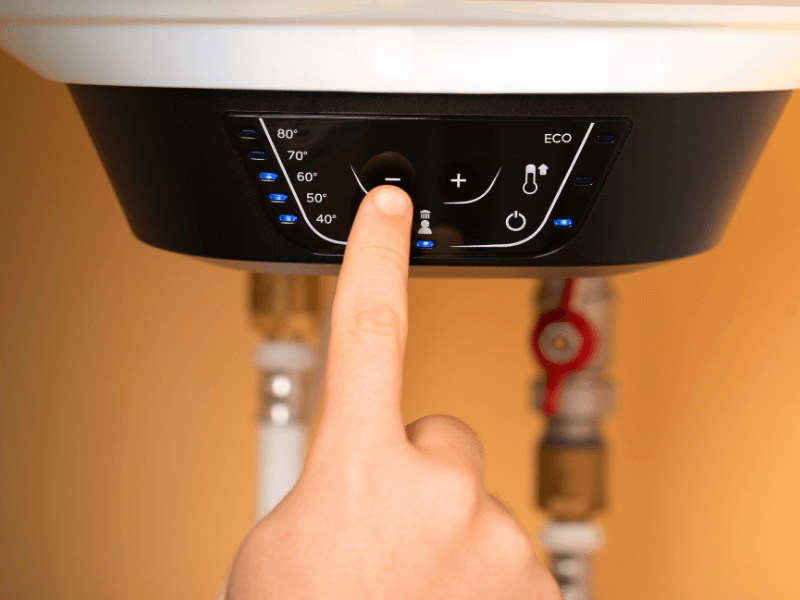
3. Maintain Correct Temperature Settings:
Keep water heater temperature at 120°F to prevent scalding and reduce strain on the unit.
4. Insulate Pipes and Tank:
Proper insulation prevents heat loss and reduces energy use.
5. Monitor for Leaks and Rust:
Early detection of minor leaks or rust can prevent sudden tank failure.
Tip: Annual professional inspections by a licensed plumber ensure your water heater is running safely and efficiently.
When to Replace Your Water Heater
Knowing when to replace a water heater prevents emergencies and minimizes damage:
✔Age: Tank water heaters over 12 years or tankless units over 20 years
✔Leaks or rust: Even small leaks indicate an imminent failure
✔Inefficiency: Rising energy bills or inconsistent hot water
✔Excessive repairs: Frequent repairs cost more than replacement
✔Safety concerns: Malfunctioning gas water heaters can pose carbon monoxide risks
Saint Pete Plumbing recommends proactive replacement planning for older units to avoid sudden loss of hot water or water damage.
Choosing the Right Replacement Water Heater
When it’s time to replace your water heater, consider the following:
1. Fuel Type
Gas vs. Electric: Choose based on availability, cost, and efficiency needs.
2. Tank Size or Flow Rate
Select a tank large enough for your household (40–80 gallons common) or a tankless model with adequate flow rate.
3. Energy Efficiency
Look for Energy Star-rated models to save on energy costs.
4. Material Quality
Stainless steel tanks or units with high-quality coatings resist corrosion longer.
5. Installation Considerations
Professional installation ensures proper venting, water pressure, and safety compliance.
Pro tip: Saint Pete Plumbing can assess your household needs and recommend the ideal water heater model for long-term performance.
The Cost of Waiting Too Long
Delaying water heater replacement can lead to:
>Sudden water heater failure: Leading to no hot water or water damage
>Flooding or structural damage: Especially with tank leaks
>Higher energy bills: As old tanks lose efficiency
>Increased repair costs: Frequent repairs become more expensive than replacement
Planning replacement before a catastrophic failure ensures uninterrupted hot water and protects your home.
Professional Water Heater Services
At Saint Pete Plumbing, we provide:
✔Water heater inspections and maintenance
✔Full water heater replacement (tank and tankless)
✔Expert installation with proper venting and safety compliance
✔Energy-efficient recommendations tailored to your household
Our licensed plumbers combine experience and precision to ensure your hot water system is safe, reliable, and efficient.
Conclusion
Water heaters are essential appliances that eventually reach the end of their useful life. Typical lifespans:
✔Tank water heaters: 8–15 years
✔Tankless water heaters: 15–20 years
Knowing the signs of aging or malfunction—rust, leaks, strange noises, inconsistent hot water—allows homeowners to plan replacement proactively. Proper maintenance, including annual flushing and anode rod inspection, extends the life of your unit.
When it’s time to replace your water heater, professional assessment and installation ensure safe, efficient operation and prevent costly water damage.
At Saint Pete Plumbing, we help homeowners in St. Petersburg and surrounding areas maintain, repair, and replace water heaters with expertise, efficiency, and care. Planning ahead guarantees uninterrupted hot water and peace of mind for your family.
Saint Pete Plumbing offers comprehensive water heater services, from maintenance and inspection to replacement and energy-efficient upgrades. Trust our licensed plumbers to keep your home’s hot water supply reliable and safe.
📞 Call Saint Pete Plumbing at (727) 800- 7667
🌐 Book Your Appointment Online at – www.saintpeteplumbing.com
📍 Serving All of St. Petersburg, Gulfport, and Pinellas County

Recent Posts
Recent Comments
Categories
- Aerobic Septic Tank
- appliance
- Bathroom
- Bathroom Plumbing
- Burst Pipe
- Commercial Plumbing
- Dishwasher
- Drain Cleaning
- Drain Heater
- Emergency Plumbing
- Faucet
- flood
- Garbage Disposal
- Garden Hose
- Home Water Pressure
- house clean
- Leak Repair
- Low Water Pressure
- New Home Plumbing
- pipe repair
- Plumbing
- Plumbing Checklist
- Plumbing Services
- Plumbing Tips
- Residential Plumbing
- Restoration
- Septic Tank
- Sewage
- Sewer Backup
- Shower
- Shower Cartridge
- Sump Pumps
- Thermostatic
- Toilet
- Toilet Seal
- Toilet Tank
- Trap Primer
- Vent Pipes Plumbing
- video inspection
- Water Heaters
- Water Softening
Tags
- 24 hour commercial plumbing
- 24 Hour Emergency
- 24 hour faucet installation st petersburg
- 24 Hour Plumbing Services
- 24 hour residential plumbing
- affordable solutions
- Appliance Repair
- appliance repair and installation
- appliance repair service
- Appliance Repair St. Petersburg
- Best Water Damage Restoration
- Build
- Clean
- clean water
- clogged drain
- Commercial Plumbing
- Commercial plumbing services
- Design
- Dishwasher Installation
- Drano doesn't work
- Emergency Flood Damage Repair
- faucet installation
- Faucet Installation Cost Guide
- faucet repair
- Fix Leaky Faucet
- Flood Restoration
- Florida Sewage Backup
- Frozen Pipe
- Frozen Pipe Repair
- Garbage Disposal Plumbing
- Garbage Disposal Repair
- Garden Hose Leaking
- Garden Hose Repair
- How to fix a leaking hose pipe
- installation
- leaky faucet in St. Petersburg
- low water pressure
- Low Water Pressure and Dripping Faucets
- Pipe Repair
- pipe Replacement
- Plumber in Pinellas Park FL
- Plumber in St. Petersbur
- Plumbers St. Petersburg
- Plumbing Services
- plumbing services in Pinellas
- Plumbing Video Camera
- prevention services
- Re-Piping
- Repair
- Residential Plumbing
- residential plumbing services
- Restoration Contractors
- Roof
- Rooftop
- Services
- Sewage Backup Cleanup
- Sewage Cleanup Services
- Sewer Camera Inspection
- Softening & Filtration Systems
- St Petersburg Restoration Services
- Sump Pump Installation
- sump pump repair
- Sump Pumps
- Toilet Repair
- Trenchless pipe repair
- Underground pipe relining
- Underground Pipe Repair without Digging
- video inspection camera
- Washing Machine Repairs
- water damage restoration
- Water Extraction
- Water removal & extraction
- Water Softening
Popular Feeds
Get In Touch
Tags
- 24 hour commercial plumbing
- 24 Hour Emergency
- 24 hour faucet installation st petersburg
- 24 Hour Plumbing Services
- 24 hour residential plumbing
- affordable solutions
- Appliance Repair
- appliance repair and installation
- appliance repair service
- Appliance Repair St. Petersburg
- Best Water Damage Restoration
- Build
- Clean
- clean water
- clogged drain
- Commercial Plumbing
- Commercial plumbing services
- Design
- Dishwasher Installation
- Drano doesn't work
- Emergency Flood Damage Repair
- faucet installation
- Faucet Installation Cost Guide
- faucet repair
- Fix Leaky Faucet
- Flood Restoration
- Florida Sewage Backup
- Frozen Pipe
- Frozen Pipe Repair
- Garbage Disposal Plumbing
- Garbage Disposal Repair
- Garden Hose Leaking
- Garden Hose Repair
- How to fix a leaking hose pipe
- installation
- leaky faucet in St. Petersburg
- low water pressure
- Low Water Pressure and Dripping Faucets
- Pipe Repair
- pipe Replacement
- Plumber in Pinellas Park FL
- Plumber in St. Petersbur
- Plumbers St. Petersburg
- Plumbing Services
- plumbing services in Pinellas
- Plumbing Video Camera
- prevention services
- Re-Piping
- Repair
- Residential Plumbing
- residential plumbing services
- Restoration Contractors
- Roof
- Rooftop
- Services
- Sewage Backup Cleanup
- Sewage Cleanup Services
- Sewer Camera Inspection
- Softening & Filtration Systems
- St Petersburg Restoration Services
- Sump Pump Installation
- sump pump repair
- Sump Pumps
- Toilet Repair
- Trenchless pipe repair
- Underground pipe relining
- Underground Pipe Repair without Digging
- video inspection camera
- Washing Machine Repairs
- water damage restoration
- Water Extraction
- Water removal & extraction
- Water Softening

Categories
- Aerobic Septic Tank
- appliance
- Bathroom
- Bathroom Plumbing
- Burst Pipe
- Commercial Plumbing
- Dishwasher
- Drain Cleaning
- Drain Heater
- Emergency Plumbing
- Faucet
- flood
- Garbage Disposal
- Garden Hose
- Home Water Pressure
- house clean
- Leak Repair
- Low Water Pressure
- New Home Plumbing
- pipe repair
- Plumbing
- Plumbing Checklist
- Plumbing Services
- Plumbing Tips
- Residential Plumbing
- Restoration
- Septic Tank
- Sewage
- Sewer Backup
- Shower
- Shower Cartridge
- Sump Pumps
- Thermostatic
- Toilet
- Toilet Seal
- Toilet Tank
- Trap Primer
- Vent Pipes Plumbing
- video inspection
- Water Heaters
- Water Softening
Get In Touch