Blog Details
- Home
- Blog Details
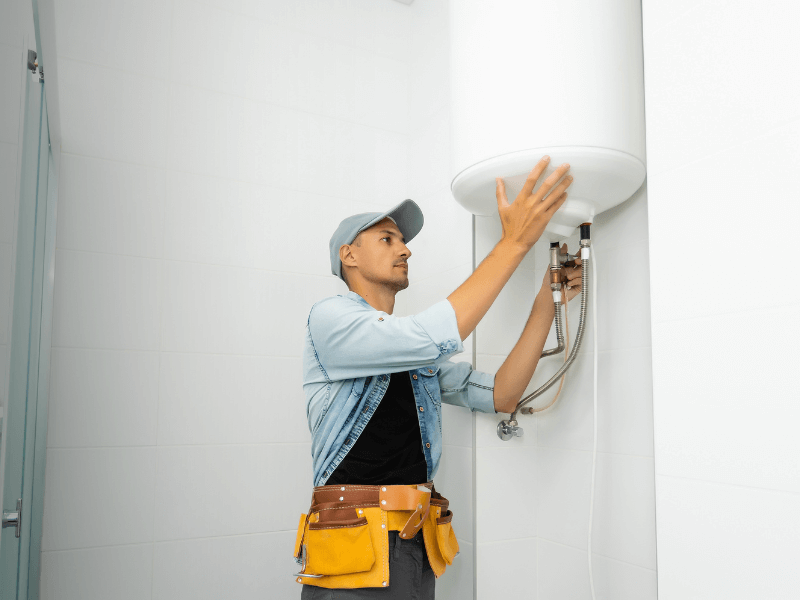
How to Drain A Hot Water Heater
Hot water heaters are essential for modern living, providing the hot water needed for showers, laundry, and dishwashing. However, over time, sediment and mineral buildup can accumulate inside the tank, reducing efficiency, causing noise, and potentially shortening the heater’s lifespan. Draining your hot water heater is an important maintenance task that ensures your system runs efficiently and safely.
At Saint Pete Plumbing, we emphasize the importance of regular hot water heater maintenance. This guide will walk you through the steps of draining your hot water heater safely and effectively, whether you have a gas or electric model.
Why Draining Your Hot Water Heater is Important
Draining your hot water heater is more than just a routine chore. It addresses several key issues:
1. Sediment Buildup: Over time, minerals from hard water settle at the bottom of the tank. This sediment reduces heating efficiency and may cause the tank to overheat.
2. Noisy Operation: Sediment can create popping or rumbling sounds as water heats and bubbles form under the layer of deposits.
3. Extended Lifespan: Regular maintenance prevents corrosion and damage, extending the life of your water heater.
4. Energy Efficiency: Sediment buildup forces the heater to work harder, consuming more energy and increasing utility bills.
Pro tip: Draining your water heater once a year is recommended for homes with hard water, while every two years may be sufficient in areas with soft water.
Tools and Materials Needed
Before beginning, gather the following tools and materials to ensure a smooth process:
Tools:
> Garden hose
> Adjustable wrench or pliers
> Screwdriver (if needed for the drain valve)
> Bucket or towel for water spills
> Safety gloves and goggles
Optional Materials:
> Pipe insulation (if you plan to insulate pipes after draining)
> Sediment vacuum or wet/dry shop vac (for heavy sediment)
Safety tip: Hot water can cause serious burns. Allow the water heater to cool for several hours before draining if possible.
Step 1: Turn Off the Power Supply
Before doing anything with your hot water heater, ensure it is safely disconnected from its energy source:
> Electric Water Heater: Turn off the breaker at the main electrical panel.
> Gas Water Heater: Set the gas control valve to “pilot” mode.
Pro tip: Never attempt to drain a water heater without first cutting power. Heating elements can cause serious burns or electrical shock.
Step 2: Turn Off the Water Supply
Next, shut off the water supply to the heater to prevent more water from entering the tank while you drain it.
> Locate the cold water supply valve at the top of the tank.
> Turn the valve clockwise to shut off water flow.
Tip: If the valve is stuck, use an adjustable wrench gently. Avoid using excessive force that could damage the pipe.
Step 3: Connect a Garden Hose to the Drain Valve
Draining water safely requires directing it to a proper location:
> Locate the drain valve near the bottom of the water heater.
> Attach a garden hose securely to the valve.
> Position the other end of the hose in a floor drain, outdoor area, or large bucket capable of holding hot water.
Safety tip: Ensure the hose is long enough to reach a safe drainage area and avoid flooding your floor.
Step 4: Open the Pressure Relief Valve
To allow water to flow smoothly from the tank, open the temperature and pressure relief (T&P) valve at the top of the heater.
> Carefully lift the lever on the T&P valve.
> This will release pressure and allow air into the tank, facilitating drainage.
Warning: Water may come out hot from the T&P valve. Use caution and keep a towel or gloves handy.
Step 5: Open the Drain Valve and Begin Draining
With the hose connected and pressure relieved:
> Open the drain valve fully to allow water to flow out.
> Let the water run completely into your chosen drainage area.
Tips for Effective Draining:
> If water flows slowly, sediment may be blocking the valve. Gently open and close the valve a few times to break it up.
> For heavily sedimented tanks, a sediment vacuum or wet/dry shop vac can help remove deposits from the bottom.
Pro tip: Draining can take 30–60 minutes, depending on the tank size and sediment level.
Step 6: Flush the Tank (Optional but Recommended)
After draining, it’s a good idea to flush remaining sediment from the tank:
1. With the drain valve still open, briefly turn on the cold water supply.
2. This will stir up remaining sediment and push it out through the hose.
3. Repeat until the water runs clear.
Flushing your water heater ensures maximum efficiency and reduces the likelihood of noisy operation or corrosion.
Step 7: Close Valves and Refill the Tank
Once the tank is fully drained and flushed:
1. Close the drain valve securely.
2. Close the T&P valve if you lifted it during drainage.
3. Turn the cold water supply back on to refill the tank.
4. Leave a faucet open inside the house to allow air to escape as the tank refills.
Tip: Listen for gurgling or sputtering sounds. This indicates trapped air escaping from the tank and pipes.
Step 8: Restore Power to the Heater
After the tank is full and all air has escaped:
> Electric Water Heater: Turn the breaker back on.
> Gas Water Heater: Turn the gas control valve back to “on” and relight the pilot if needed.
Safety tip: Do not turn on heating elements until the tank is completely full to prevent damage.
Step 9: Inspect and Test
After draining and refilling, inspect the system for any issues:
> Check the drain valve and pipe connections for leaks.
> Monitor water temperature and flow at faucets.
> Listen for unusual noises that may indicate remaining sediment.
Pro tip: If you notice leaks or the heater continues to make noise, it may be time to call a professional plumber for inspection or maintenance.
Additional Maintenance Tips
Regular maintenance can extend the life of your hot water heater and keep it running efficiently:
1. Annual Drainage: Drain and flush your water heater at least once a year.
2. Inspect Anode Rod: Check the anode rod every 2–3 years to prevent tank corrosion.
3. Check Temperature Setting: Keep the thermostat around 120°F to prevent scalding and reduce energy costs.
4. Insulate Tank and Pipes: Helps maintain water temperature and reduce energy usage.
5. Monitor for Leaks: Check connections and the base of the tank regularly.
Following these steps reduces the risk of tank damage, ensures hot water availability, and improves energy efficiency.
Common Questions About Draining a Water Heater
Q: Can I drain my water heater myself?
A: Yes, most homeowners can do it safely, but if your tank is large, corroded, or hard-to-access, a professional plumber is recommended.
Q: How often should I drain my water heater?
A: Once a year for homes with hard water; every 2–3 years may suffice for soft water areas.
Q: Is it safe to drain a gas water heater?
A: Yes, but always set the gas to “pilot” mode before draining. Never turn it back on until the tank is full.
Q: What if the drain valve is clogged?
A: Sediment can block the valve. Gently open and close it or use a small tool to clear debris. For persistent issues, replacement may be needed.
When to Call a Professional
While draining a water heater is straightforward, certain situations warrant professional assistance:
✔ Persistent sediment buildup causing noisy operation
✔ Leaking valves or tank corrosion
✔ Electric water heater issues or faulty heating elements
✔ Hard-to-access tanks in basements or multi-story buildings
Saint Pete Plumbing provides expert water heater maintenance, including draining, flushing, anode rod replacement, and full-service repairs.
Conclusion
Regularly draining your hot water heater is a simple yet essential step in maintaining an efficient and long-lasting system. By following these steps from Saint Pete Plumbing, you can prevent sediment buildup, improve energy efficiency, extend the life of your water heater, and ensure consistent hot water supply.
Whether you are performing routine maintenance or dealing with an older, sediment-filled tank, our licensed plumbers provide reliable service, ensuring your hot water system runs safely and efficiently.
Remember: proactive maintenance saves money, prevents damage, and keeps your home comfortable year-round.
Saint Pete Plumbing is proud to serve homeowners in St. Petersburg and the surrounding areas with comprehensive plumbing services. From water heater maintenance and repair to full system inspections, we combine expertise, professionalism, and quality workmanship to keep your home running smoothly.
📞 Call Saint Pete Plumbing at (727) 800- 7667
🌐 Book Your Appointment Online at – www.saintpeteplumbing.com
📍 Serving All of St. Petersburg, Gulfport, and Pinellas County

Recent Posts
Recent Comments
Categories
- Aerobic Septic Tank
- appliance
- Bathroom
- Bathroom Plumbing
- Burst Pipe
- Commercial Plumbing
- Dishwasher
- Drain Cleaning
- Drain Heater
- Emergency Plumbing
- Faucet
- flood
- Garbage Disposal
- Garden Hose
- Home Water Pressure
- house clean
- Leak Repair
- Low Water Pressure
- New Home Plumbing
- pipe repair
- Plumbing
- Plumbing Checklist
- Plumbing Services
- Plumbing Tips
- Residential Plumbing
- Restoration
- Septic Tank
- Sewage
- Sewer Backup
- Shower
- Shower Cartridge
- Sump Pumps
- Thermostatic
- Toilet
- Toilet Seal
- Toilet Tank
- Trap Primer
- Vent Pipes Plumbing
- video inspection
- Water Heaters
- Water Softening
Tags
- 24 hour commercial plumbing
- 24 Hour Emergency
- 24 hour faucet installation st petersburg
- 24 Hour Plumbing Services
- 24 hour residential plumbing
- affordable solutions
- Appliance Repair
- appliance repair and installation
- appliance repair service
- Appliance Repair St. Petersburg
- Best Water Damage Restoration
- Build
- Clean
- clean water
- clogged drain
- Commercial Plumbing
- Commercial plumbing services
- Design
- Dishwasher Installation
- Drano doesn't work
- Emergency Flood Damage Repair
- faucet installation
- Faucet Installation Cost Guide
- faucet repair
- Fix Leaky Faucet
- Flood Restoration
- Florida Sewage Backup
- Frozen Pipe
- Frozen Pipe Repair
- Garbage Disposal Plumbing
- Garbage Disposal Repair
- Garden Hose Leaking
- Garden Hose Repair
- How to fix a leaking hose pipe
- installation
- leaky faucet in St. Petersburg
- low water pressure
- Low Water Pressure and Dripping Faucets
- Pipe Repair
- pipe Replacement
- Plumber in Pinellas Park FL
- Plumber in St. Petersbur
- Plumbers St. Petersburg
- Plumbing Services
- plumbing services in Pinellas
- Plumbing Video Camera
- prevention services
- Re-Piping
- Repair
- Residential Plumbing
- residential plumbing services
- Restoration Contractors
- Roof
- Rooftop
- Services
- Sewage Backup Cleanup
- Sewage Cleanup Services
- Sewer Camera Inspection
- Softening & Filtration Systems
- St Petersburg Restoration Services
- Sump Pump Installation
- sump pump repair
- Sump Pumps
- Toilet Repair
- Trenchless pipe repair
- Underground pipe relining
- Underground Pipe Repair without Digging
- video inspection camera
- Washing Machine Repairs
- water damage restoration
- Water Extraction
- Water removal & extraction
- Water Softening
Popular Feeds
Get In Touch
Tags
- 24 hour commercial plumbing
- 24 Hour Emergency
- 24 hour faucet installation st petersburg
- 24 Hour Plumbing Services
- 24 hour residential plumbing
- affordable solutions
- Appliance Repair
- appliance repair and installation
- appliance repair service
- Appliance Repair St. Petersburg
- Best Water Damage Restoration
- Build
- Clean
- clean water
- clogged drain
- Commercial Plumbing
- Commercial plumbing services
- Design
- Dishwasher Installation
- Drano doesn't work
- Emergency Flood Damage Repair
- faucet installation
- Faucet Installation Cost Guide
- faucet repair
- Fix Leaky Faucet
- Flood Restoration
- Florida Sewage Backup
- Frozen Pipe
- Frozen Pipe Repair
- Garbage Disposal Plumbing
- Garbage Disposal Repair
- Garden Hose Leaking
- Garden Hose Repair
- How to fix a leaking hose pipe
- installation
- leaky faucet in St. Petersburg
- low water pressure
- Low Water Pressure and Dripping Faucets
- Pipe Repair
- pipe Replacement
- Plumber in Pinellas Park FL
- Plumber in St. Petersbur
- Plumbers St. Petersburg
- Plumbing Services
- plumbing services in Pinellas
- Plumbing Video Camera
- prevention services
- Re-Piping
- Repair
- Residential Plumbing
- residential plumbing services
- Restoration Contractors
- Roof
- Rooftop
- Services
- Sewage Backup Cleanup
- Sewage Cleanup Services
- Sewer Camera Inspection
- Softening & Filtration Systems
- St Petersburg Restoration Services
- Sump Pump Installation
- sump pump repair
- Sump Pumps
- Toilet Repair
- Trenchless pipe repair
- Underground pipe relining
- Underground Pipe Repair without Digging
- video inspection camera
- Washing Machine Repairs
- water damage restoration
- Water Extraction
- Water removal & extraction
- Water Softening

Categories
- Aerobic Septic Tank
- appliance
- Bathroom
- Bathroom Plumbing
- Burst Pipe
- Commercial Plumbing
- Dishwasher
- Drain Cleaning
- Drain Heater
- Emergency Plumbing
- Faucet
- flood
- Garbage Disposal
- Garden Hose
- Home Water Pressure
- house clean
- Leak Repair
- Low Water Pressure
- New Home Plumbing
- pipe repair
- Plumbing
- Plumbing Checklist
- Plumbing Services
- Plumbing Tips
- Residential Plumbing
- Restoration
- Septic Tank
- Sewage
- Sewer Backup
- Shower
- Shower Cartridge
- Sump Pumps
- Thermostatic
- Toilet
- Toilet Seal
- Toilet Tank
- Trap Primer
- Vent Pipes Plumbing
- video inspection
- Water Heaters
- Water Softening
Get In Touch