Blog Details
- Home
- Blog Details
Fixing Low Water Pressure in Your Faucet – Pinellas County Tips
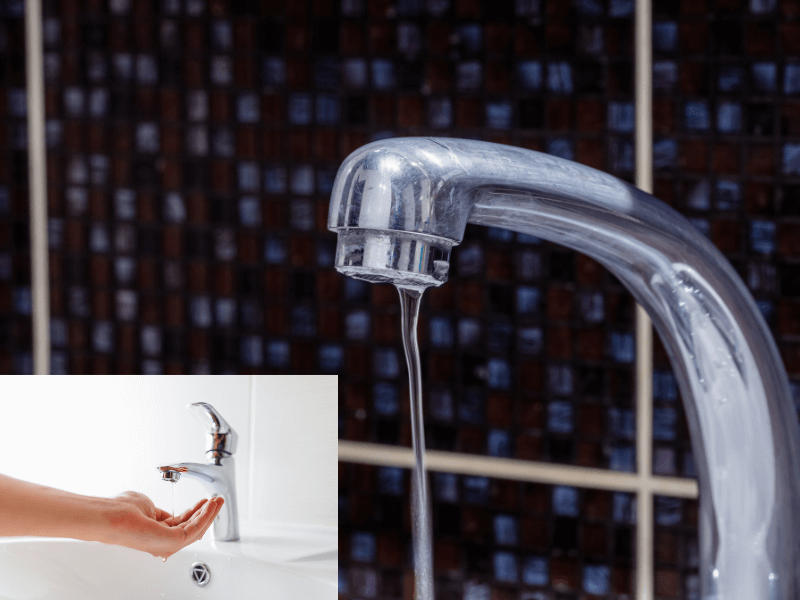
Low water pressure is one of the most common plumbing complaints we hear from homeowners across Pinellas County. Whether you live in a charming bungalow in St. Petersburg, a beachfront condo in Clearwater, or a family home in Pinellas Park, the frustration is the same: you turn on the faucet, expecting a steady flow, but only a weak trickle comes out.
Not only is this inconvenient, but it may also signal underlying plumbing issues that, if left unchecked, can lead to costly repairs. In this guide, the experts at Saint Pete Plumbing explain the common causes of low water pressure, how to diagnose the problem, and the best solutions for restoring proper flow in your home’s faucets.
Why Low Water Pressure Matters
Water pressure plays a crucial role in your daily comfort and the efficiency of your plumbing system. From washing dishes to running showers, even watering your garden, adequate water flow ensures these tasks are quick and stress-free. When pressure drops:
👉Showers become frustratingly weak.
👉Faucets take forever to fill pots or sinks.
👉Appliances like dishwashers and washing machines perform poorly.
👉Plumbing pipes may indicate blockages, leaks, or corrosion.
Addressing water pressure problems early can save you from more serious plumbing issues like burst pipes, water damage, or skyrocketing water bills.
Common Causes of Low Faucet Water Pressure in Pinellas County
There are several reasons why your faucet may be struggling with low pressure. Some are minor issues you can fix yourself, while others require a licensed plumber. Here are the most common culprits:
1. Clogged Aerator or Faucet Head
Hard water minerals, debris, and sediment often build up inside faucet aerators. This is especially common in Pinellas County, where many homes deal with hard water. A clogged aerator restricts flow and makes pressure drop significantly.
2. Mineral Buildup in Pipes
Older homes in St. Petersburg, Gulfport, and surrounding neighborhoods may still have galvanized steel plumbing. Over time, these pipes corrode and fill with mineral deposits, narrowing the passage for water.
3. Leaks in the Plumbing System
Even small leaks in your supply lines can lower pressure at your faucets. Look for damp spots on walls, ceilings, or floors, or unexplained spikes in your water bill.
4. Water Supply Issues
Sometimes, the issue isn’t in your home at all. City water supply lines may be under maintenance or experiencing reduced flow. Checking with Pinellas County Utilities can help confirm this.
5. Pressure Regulator Problems
Many homes are equipped with a water pressure regulator to keep flow within safe limits. If this regulator malfunctions, it can either restrict water too much or allow dangerously high pressure.
6. Partially Closed Valves
The main water shutoff valve or under-sink valves may not be fully open, restricting flow to the faucet.
7. Appliance Interference
Dishwashers or washing machines running at the same time may reduce faucet pressure, especially in older plumbing systems with limited capacity.
Step-by-Step Guide to Diagnosing Low Water Pressure
Before calling a plumber, you can perform a few simple checks to pinpoint the source of the problem.
Step 1: Test Other Faucets
Check if the low pressure is isolated to one faucet or happening throughout the home.
✔ One faucet only: Likely an aerator, cartridge, or localized clog.
✔ Multiple faucets: Could be a regulator, main line issue, or municipal supply problem.
Step 2: Inspect the Aerator
Unscrew the aerator at the faucet tip and check for debris or mineral buildup. Clean it with vinegar or replace it.
Step 3: Check Shutoff Valves
Ensure both the main water valve and under-sink valves are fully open.
Step 4: Look for Leaks
Check visible pipes, walls, ceilings, and outdoor spigots for signs of leaks.
Step 5: Measure Water Pressure
Use a pressure gauge (available at hardware stores) on an outdoor spigot. In Pinellas County homes, normal water pressure should range between 40–60 psi. Anything lower indicates a bigger issue.
Step 6: Ask the Neighbors
If nearby homes are experiencing the same problem, it’s likely a municipal water supply issue rather than something inside your plumbing system.
DIY Fixes for Low Water Pressure
Some water pressure issues can be solved without calling a plumber. Here are safe DIY fixes homeowners can try:
1. Clean or Replace the Aerator
Soak the aerator in white vinegar for a few hours to dissolve mineral buildup. If it’s damaged, replace it—it’s inexpensive and widely available.
2. Flush the Faucet Cartridge
Modern faucets use cartridges that can clog with debris. Remove and rinse the cartridge according to the manufacturer’s instructions.
3. Remove Hard Water Deposits
If buildup is inside the faucet or showerhead, soak the part in vinegar overnight and scrub gently with a toothbrush.
4. Check the Pressure Regulator
If you’re comfortable, test or adjust your pressure regulator (usually located near the main water line). Small adjustments may restore flow.
5. Stagger Appliance Use
Avoid running multiple high-water-demand appliances at the same time to maintain faucet pressure.
When to Call a Professional Plumber
While some fixes are simple, other situations require professional attention:
✔ Consistently low pressure throughout the home despite cleaning aerators.
✔ Visible leaks or damp areas that may suggest pipe damage.
✔ Older plumbing systems with corroded pipes.
✔ Broken pressure regulators needing replacement.
✔ Water main issues that require coordination with the city.
At Saint Pete Plumbing, we use advanced diagnostic tools to locate leaks, test regulators, and inspect pipes to determine the exact cause.
Long-Term Solutions for Healthy Water Pressure
If your home has ongoing water pressure issues, consider these long-term upgrades:
1. Replace Old Pipes
If your home has galvanized pipes, upgrading to copper or PEX piping can restore water flow and prevent future clogs.
2. Install a Water Softener
Pinellas County’s hard water contributes to buildup in faucets and pipes. A water softener reduces mineral deposits and improves system longevity.
3. Upgrade Your Plumbing Fixtures
Modern faucets and showerheads are designed to maintain strong flow even under lower pressure.
4. Regular Plumbing Maintenance
Annual inspections can catch small leaks, valve issues, or regulator problems before they cause major disruptions.
Local Considerations in Pinellas County
Living near the coast adds some unique plumbing challenges:
Salt air corrosion: Homes closer to the Gulf may experience faster pipe corrosion.
Older neighborhoods: Many historic St. Petersburg homes still use outdated plumbing.
High demand in summer: Seasonal tourism and heavy usage can affect municipal water supply.
By keeping these local factors in mind, homeowners can better understand and address their water pressure issues.
Final Thoughts
Low water pressure may feel like a minor annoyance, but it often signals bigger issues within your plumbing system. Whether it’s a clogged aerator, aging pipes, or municipal supply fluctuations, addressing the root cause quickly can save money and stress.
At Saint Pete Plumbing, our experts are here to help Pinellas County residents restore strong, steady water pressure to their homes. From quick faucet repairs to full pipe replacements, we provide reliable solutions tailored to your needs.
If you’re dealing with frustratingly weak faucets or uncertain about what’s causing the problem, don’t wait—call Saint Pete Plumbing today for a professional inspection and long-term fix.
📞 Call Saint Pete Plumbing at (727) 800- 7667
🌐 Book Your Appointment Online at – www.saintpeteplumbing.com
📍 Serving All of St. Petersburg, Gulfport, and Pinellas County

Recent Posts
Recent Comments
Categories
- Aerobic Septic Tank
- appliance
- Bathroom
- Bathroom Plumbing
- Burst Pipe
- Commercial Plumbing
- Dishwasher
- Drain Cleaning
- Drain Heater
- Emergency Plumbing
- Faucet
- flood
- Garbage Disposal
- Garden Hose
- Home Water Pressure
- house clean
- Leak Repair
- Low Water Pressure
- New Home Plumbing
- pipe repair
- Plumbing
- Plumbing Checklist
- Plumbing Services
- Plumbing Tips
- Residential Plumbing
- Restoration
- Septic Tank
- Sewage
- Sewer Backup
- Shower
- Shower Cartridge
- Sump Pumps
- Thermostatic
- Toilet
- Toilet Seal
- Toilet Tank
- Trap Primer
- Vent Pipes Plumbing
- video inspection
- Water Heaters
- Water Softening
Tags
- 24 hour commercial plumbing
- 24 Hour Emergency
- 24 hour faucet installation st petersburg
- 24 Hour Plumbing Services
- 24 hour residential plumbing
- affordable solutions
- Appliance Repair
- appliance repair and installation
- appliance repair service
- Appliance Repair St. Petersburg
- Best Water Damage Restoration
- Build
- Clean
- clean water
- clogged drain
- Commercial Plumbing
- Commercial plumbing services
- Design
- Dishwasher Installation
- Drano doesn't work
- Emergency Flood Damage Repair
- faucet installation
- Faucet Installation Cost Guide
- faucet repair
- Fix Leaky Faucet
- Flood Restoration
- Florida Sewage Backup
- Frozen Pipe
- Frozen Pipe Repair
- Garbage Disposal Plumbing
- Garbage Disposal Repair
- Garden Hose Leaking
- Garden Hose Repair
- How to fix a leaking hose pipe
- installation
- leaky faucet in St. Petersburg
- low water pressure
- Low Water Pressure and Dripping Faucets
- Pipe Repair
- pipe Replacement
- Plumber in Pinellas Park FL
- Plumber in St. Petersbur
- Plumbers St. Petersburg
- Plumbing Services
- plumbing services in Pinellas
- Plumbing Video Camera
- prevention services
- Re-Piping
- Repair
- Residential Plumbing
- residential plumbing services
- Restoration Contractors
- Roof
- Rooftop
- Services
- Sewage Backup Cleanup
- Sewage Cleanup Services
- Sewer Camera Inspection
- Softening & Filtration Systems
- St Petersburg Restoration Services
- Sump Pump Installation
- sump pump repair
- Sump Pumps
- Toilet Repair
- Trenchless pipe repair
- Underground pipe relining
- Underground Pipe Repair without Digging
- video inspection camera
- Washing Machine Repairs
- water damage restoration
- Water Extraction
- Water removal & extraction
- Water Softening
Popular Feeds
Get In Touch
Tags
- 24 hour commercial plumbing
- 24 Hour Emergency
- 24 hour faucet installation st petersburg
- 24 Hour Plumbing Services
- 24 hour residential plumbing
- affordable solutions
- Appliance Repair
- appliance repair and installation
- appliance repair service
- Appliance Repair St. Petersburg
- Best Water Damage Restoration
- Build
- Clean
- clean water
- clogged drain
- Commercial Plumbing
- Commercial plumbing services
- Design
- Dishwasher Installation
- Drano doesn't work
- Emergency Flood Damage Repair
- faucet installation
- Faucet Installation Cost Guide
- faucet repair
- Fix Leaky Faucet
- Flood Restoration
- Florida Sewage Backup
- Frozen Pipe
- Frozen Pipe Repair
- Garbage Disposal Plumbing
- Garbage Disposal Repair
- Garden Hose Leaking
- Garden Hose Repair
- How to fix a leaking hose pipe
- installation
- leaky faucet in St. Petersburg
- low water pressure
- Low Water Pressure and Dripping Faucets
- Pipe Repair
- pipe Replacement
- Plumber in Pinellas Park FL
- Plumber in St. Petersbur
- Plumbers St. Petersburg
- Plumbing Services
- plumbing services in Pinellas
- Plumbing Video Camera
- prevention services
- Re-Piping
- Repair
- Residential Plumbing
- residential plumbing services
- Restoration Contractors
- Roof
- Rooftop
- Services
- Sewage Backup Cleanup
- Sewage Cleanup Services
- Sewer Camera Inspection
- Softening & Filtration Systems
- St Petersburg Restoration Services
- Sump Pump Installation
- sump pump repair
- Sump Pumps
- Toilet Repair
- Trenchless pipe repair
- Underground pipe relining
- Underground Pipe Repair without Digging
- video inspection camera
- Washing Machine Repairs
- water damage restoration
- Water Extraction
- Water removal & extraction
- Water Softening

Categories
- Aerobic Septic Tank
- appliance
- Bathroom
- Bathroom Plumbing
- Burst Pipe
- Commercial Plumbing
- Dishwasher
- Drain Cleaning
- Drain Heater
- Emergency Plumbing
- Faucet
- flood
- Garbage Disposal
- Garden Hose
- Home Water Pressure
- house clean
- Leak Repair
- Low Water Pressure
- New Home Plumbing
- pipe repair
- Plumbing
- Plumbing Checklist
- Plumbing Services
- Plumbing Tips
- Residential Plumbing
- Restoration
- Septic Tank
- Sewage
- Sewer Backup
- Shower
- Shower Cartridge
- Sump Pumps
- Thermostatic
- Toilet
- Toilet Seal
- Toilet Tank
- Trap Primer
- Vent Pipes Plumbing
- video inspection
- Water Heaters
- Water Softening
Get In Touch