
Blog Details
- Home
- Blog Details
How to Spot Early Signs of a Bathroom Leak Before It Becomes Costly
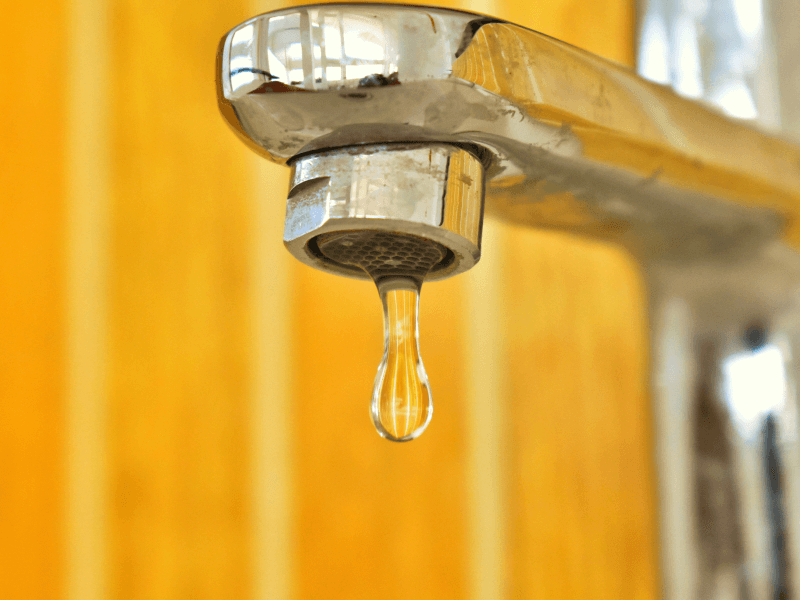
Bathrooms are one of the most frequently used areas of any home, and because of the constant presence of water, they’re also one of the most vulnerable spots for hidden leaks. A small drip or unnoticed crack may not seem like much at first, but over time, water damage can cause structural issues, mold growth, and expensive repairs. The good news? By learning to recognize the early signs of bathroom leaks, homeowners in St. Petersburg, Florida—and beyond—can take action before problems spiral into costly disasters.
At Saint Pete Plumbing, we’ve helped countless homeowners detect and repair hidden leaks before they caused significant damage. In this comprehensive guide, we’ll walk you through the common warning signs, potential causes, and prevention tips so you can stay ahead of bathroom leaks.
Why Early Detection of Bathroom Leaks Matters
Water leaks are sneaky. They often begin small and invisible, behind walls, under flooring, or in hidden plumbing lines. By the time you notice visible damage, the leak may have already been active for weeks or even months. Detecting problems early offers several advantages:
✔Saves Money: Repairing a small leak is far less expensive than dealing with major water damage, structural repairs, or mold remediation.
✔Prevents Mold Growth: Damp environments encourage mold and mildew, which can spread quickly and cause health issues.
✔Protects Structural Integrity: Persistent leaks can weaken drywall, flooring, ceilings, and even your home’s foundation.
✔Reduces Utility Bills: Even slow drips waste significant amounts of water, adding unnecessary costs to your monthly bill.
10 Early Warning Signs of a Bathroom Leak
Here are the most common signs our team at Saint Pete Plumbing recommends homeowners watch for:
1. Unexplained Increase in Water Bills
If your water usage habits haven’t changed but your monthly bill is steadily rising, it may indicate a hidden leak. Even a small drip from a pipe or fixture can waste hundreds of gallons over time.
2. Persistent Musty Odors
Bathrooms should smell clean, but if you notice a musty or damp odor, it could mean water is accumulating behind walls, under floors, or around hidden areas. Mold and mildew thrive in these conditions, releasing an unpleasant smell.
3. Mold or Mildew Growth
It’s common for some mold to form in damp bathroom corners, but if you’re noticing mold in unusual places (such as ceilings, baseboards, or outside the shower area), it could be due to a hidden leak keeping those areas damp.
4. Peeling or Bubbling Paint and Wallpaper
When water seeps into walls, it causes paint to bubble, crack, or peel. Wallpaper may also begin to lift or discolor. This is a strong indicator of water damage behind the wall.
5. Discolored Grout or Tiles
Tile grout is designed to resist moisture, but prolonged exposure to leaks can lead to staining or crumbling. Tiles may also loosen if water damages the adhesive underneath.
6. Soft or Spongy Floors
If your bathroom floor feels soft, bouncy, or spongy when you walk on it, water may have penetrated the subflooring. Left untreated, this can cause severe structural damage.
7. Water Stains on Ceilings or Walls
If your bathroom is on an upper floor, leaks can leave stains on the ceiling below. Look for yellow, brown, or warped spots on ceilings and walls as a telltale sign.
8. Sounds of Dripping or Running Water
If you hear dripping or running water when no fixtures are in use, there may be a hidden leak behind walls or under the floor.
9. Reduced Water Pressure
Leaks in pipes can reduce the amount of water reaching your faucets and showerheads. If water pressure suddenly drops, a leak could be the culprit.
10. Unexplained Wet Spots or Puddles
Water pooling around the base of toilets, tubs, or sinks—without recent use—often points to a leak in the fixture or connecting pipes.
Common Sources of Bathroom Leaks
Knowing where leaks tend to occur helps you narrow down the cause when you spot early signs.
1. Toilets – Faulty seals or cracks in the tank or bowl can cause slow leaks.
2. Showers & Bathtubs – Damaged grout, worn caulking, or cracks in the tub can allow water to seep through.
3. Sinks & Faucets – Leaks often occur in faucet connections, drain pipes, or supply lines under the sink.
4. Pipes in Walls or Floors – Corrosion, high water pressure, or loose fittings can lead to hidden leaks.
5. Bathroom Fixtures – Showerheads, shut-off valves, and other fittings may loosen over time.
How to Confirm a Suspected Leak
If you suspect a leak but aren’t sure, here are a few quick tests:
The Water Meter Test:
✔Turn off all water in your home.
✔Record the reading on your water meter.
✔Wait two hours without using water.
✔If the meter reading changes, you likely have a hidden leak.
Food Coloring Test for Toilets:
✔Add a few drops of food coloring into the toilet tank.
✔Wait 15–20 minutes without flushing.
✔If colored water appears in the bowl, the flapper valve is leaking.
Dangers of Ignoring Bathroom Leaks
Ignoring leaks—even minor ones—can create serious consequences:
✔Mold Infestation: Mold spores spread quickly, impacting air quality and causing health problems like allergies and asthma.
✔Costly Repairs: A $50 repair today could turn into a $5,000 renovation if water damage spreads.
✔Pest Attraction: Damp areas attract pests like termites, roaches, and ants.
✔Electrical Hazards: Water leaks near outlets or wiring create fire and shock risks.
Preventing Bathroom Leaks
Prevention is always better than cure. Here are our expert-recommended strategies:
1. Regular Inspections: Check around toilets, sinks, and tubs for signs of moisture or wear.
2. Maintain Caulking & Grout: Reapply caulk around tubs and showers when it cracks or wears away.
3. Fix Drips Immediately: Don’t ignore dripping faucets or running toilets—they waste water and signal bigger issues.
4. Install Water Leak Detectors: Smart leak detectors can alert you to hidden leaks before damage spreads.
5. Monitor Water Pressure: High pressure strains pipes and fittings. Install a pressure regulator to keep it safe.
6. Schedule Professional Plumbing Inspections: A licensed plumber can detect issues you might miss.
When to Call a Professional Plumber
While some leaks are easy to spot and fix, others require professional tools and expertise. Call Saint Pete Plumbing if:
✔ You notice recurring leaks despite DIY fixes.
✔ Mold or mildew spreads beyond typical bathroom surfaces.
✔ Your water bill spikes suddenly with no clear explanation.
✔ Floors or ceilings show warping, staining, or sagging.
Our experienced team uses advanced leak detection technology, including thermal imaging and moisture meters, to find and repair even the most hidden leaks efficiently.
Final Thoughts
Catching bathroom leaks early can save you thousands of dollars in repairs, protect your home’s structure, and keep your family healthy. By staying alert to the warning signs—like musty smells, peeling paint, or unexplained water bills—you can act before leaks spiral into costly disasters.
At Saint Pete Plumbing, we’re dedicated to helping St. Petersburg homeowners safeguard their homes with reliable plumbing services. Whether you’re dealing with a small drip or a major water problem, our licensed plumbers are here to help.
📞 Call Saint Pete Plumbing at (727) 800- 7667
🌐 Book Your Appointment Online at – www.saintpeteplumbing.com
📍 Serving All of St. Petersburg, Gulfport, and Pinellas County

Recent Posts
Recent Comments
Categories
- Aerobic Septic Tank
- appliance
- Bathroom
- Bathroom Plumbing
- Burst Pipe
- Commercial Plumbing
- Dishwasher
- Drain Cleaning
- Drain Heater
- Emergency Plumbing
- Faucet
- flood
- Garbage Disposal
- Garden Hose
- Home Water Pressure
- house clean
- Leak Repair
- Low Water Pressure
- New Home Plumbing
- pipe repair
- Plumbing
- Plumbing Checklist
- Plumbing Services
- Plumbing Tips
- Residential Plumbing
- Restoration
- Septic Tank
- Sewage
- Sewer Backup
- Shower
- Shower Cartridge
- Sump Pumps
- Thermostatic
- Toilet
- Toilet Seal
- Toilet Tank
- Trap Primer
- Vent Pipes Plumbing
- video inspection
- Water Heaters
- Water Softening
Tags
- 24 hour commercial plumbing
- 24 Hour Emergency
- 24 hour faucet installation st petersburg
- 24 Hour Plumbing Services
- 24 hour residential plumbing
- affordable solutions
- Appliance Repair
- appliance repair and installation
- appliance repair service
- Appliance Repair St. Petersburg
- Best Water Damage Restoration
- Build
- Clean
- clean water
- clogged drain
- Commercial Plumbing
- Commercial plumbing services
- Design
- Dishwasher Installation
- Drano doesn't work
- Emergency Flood Damage Repair
- faucet installation
- Faucet Installation Cost Guide
- faucet repair
- Fix Leaky Faucet
- Flood Restoration
- Florida Sewage Backup
- Frozen Pipe
- Frozen Pipe Repair
- Garbage Disposal Plumbing
- Garbage Disposal Repair
- Garden Hose Leaking
- Garden Hose Repair
- How to fix a leaking hose pipe
- installation
- leaky faucet in St. Petersburg
- low water pressure
- Low Water Pressure and Dripping Faucets
- Pipe Repair
- pipe Replacement
- Plumber in Pinellas Park FL
- Plumber in St. Petersbur
- Plumbers St. Petersburg
- Plumbing Services
- plumbing services in Pinellas
- Plumbing Video Camera
- prevention services
- Re-Piping
- Repair
- Residential Plumbing
- residential plumbing services
- Restoration Contractors
- Roof
- Rooftop
- Services
- Sewage Backup Cleanup
- Sewage Cleanup Services
- Sewer Camera Inspection
- Softening & Filtration Systems
- St Petersburg Restoration Services
- Sump Pump Installation
- sump pump repair
- Sump Pumps
- Toilet Repair
- Trenchless pipe repair
- Underground pipe relining
- Underground Pipe Repair without Digging
- video inspection camera
- Washing Machine Repairs
- water damage restoration
- Water Extraction
- Water removal & extraction
- Water Softening
Popular Feeds
Get In Touch
Tags
- 24 hour commercial plumbing
- 24 Hour Emergency
- 24 hour faucet installation st petersburg
- 24 Hour Plumbing Services
- 24 hour residential plumbing
- affordable solutions
- Appliance Repair
- appliance repair and installation
- appliance repair service
- Appliance Repair St. Petersburg
- Best Water Damage Restoration
- Build
- Clean
- clean water
- clogged drain
- Commercial Plumbing
- Commercial plumbing services
- Design
- Dishwasher Installation
- Drano doesn't work
- Emergency Flood Damage Repair
- faucet installation
- Faucet Installation Cost Guide
- faucet repair
- Fix Leaky Faucet
- Flood Restoration
- Florida Sewage Backup
- Frozen Pipe
- Frozen Pipe Repair
- Garbage Disposal Plumbing
- Garbage Disposal Repair
- Garden Hose Leaking
- Garden Hose Repair
- How to fix a leaking hose pipe
- installation
- leaky faucet in St. Petersburg
- low water pressure
- Low Water Pressure and Dripping Faucets
- Pipe Repair
- pipe Replacement
- Plumber in Pinellas Park FL
- Plumber in St. Petersbur
- Plumbers St. Petersburg
- Plumbing Services
- plumbing services in Pinellas
- Plumbing Video Camera
- prevention services
- Re-Piping
- Repair
- Residential Plumbing
- residential plumbing services
- Restoration Contractors
- Roof
- Rooftop
- Services
- Sewage Backup Cleanup
- Sewage Cleanup Services
- Sewer Camera Inspection
- Softening & Filtration Systems
- St Petersburg Restoration Services
- Sump Pump Installation
- sump pump repair
- Sump Pumps
- Toilet Repair
- Trenchless pipe repair
- Underground pipe relining
- Underground Pipe Repair without Digging
- video inspection camera
- Washing Machine Repairs
- water damage restoration
- Water Extraction
- Water removal & extraction
- Water Softening

Categories
- Aerobic Septic Tank
- appliance
- Bathroom
- Bathroom Plumbing
- Burst Pipe
- Commercial Plumbing
- Dishwasher
- Drain Cleaning
- Drain Heater
- Emergency Plumbing
- Faucet
- flood
- Garbage Disposal
- Garden Hose
- Home Water Pressure
- house clean
- Leak Repair
- Low Water Pressure
- New Home Plumbing
- pipe repair
- Plumbing
- Plumbing Checklist
- Plumbing Services
- Plumbing Tips
- Residential Plumbing
- Restoration
- Septic Tank
- Sewage
- Sewer Backup
- Shower
- Shower Cartridge
- Sump Pumps
- Thermostatic
- Toilet
- Toilet Seal
- Toilet Tank
- Trap Primer
- Vent Pipes Plumbing
- video inspection
- Water Heaters
- Water Softening
Get In Touch



Leave a comment