
Blog Details
- Home
- Blog Details
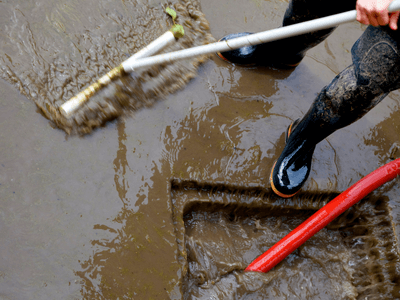
What To Do When Your Sewer Backs Up (Comprehensive Guide 2025)
A sewer backup is one of the most stressful plumbing emergencies a homeowner can face. It’s messy, smelly, unsanitary, and can cause significant damage to your home’s structure and health. Whether it’s a backed-up toilet, a gurgling drain, or raw sewage seeping into your basement, knowing what to do immediately and how to prevent it in the future is critical.
At Saint Pete Plumbing, we’ve handled thousands of sewer backup emergencies across St. Petersburg and Pinellas County, and in this guide, we’ll walk you through the causes, emergency steps, cleanup advice, and long-term solutions to deal with a sewer line backup—safely and efficiently.
Table of Contents
👉What Is a Sewer Backup?
👉Common Causes of Sewer Backups
👉How to Identify a Sewer Backup
👉Immediate Steps to Take During a Sewer Backup
👉Safety Tips When Dealing With Raw Sewage
👉Professional Cleanup vs. DIY
👉How Plumbers Fix Sewer Backups
👉Preventing Future Sewer Backups
👉When to Call Saint Pete Plumbing
👉Final Thoughts
What Is a Sewer Backup?
A sewer backup happens when wastewater from your toilets, sinks, bathtubs, or floor drains fails to exit your home through the main sewer line and instead begins to flow back into your plumbing fixtures or basement.
This is more than just an inconvenience—sewage contains dangerous bacteria, viruses, and parasites that pose serious health risks. It’s vital to act fast to prevent water damage and contamination.
Common Causes of Sewer Backups
Understanding what causes sewer backups can help you prevent them. Here are the most common culprits we see across homes in St. Pete:
🪵 Tree Root Intrusion
Roots from trees like ficus, banyan, or palm can infiltrate sewer lines, especially older clay or cast iron pipes.
🚿 Grease Buildup
Pouring grease, oil, and fats down the drain may seem harmless but can solidify in your pipes, creating blockages.
🧻 Flushing Inappropriate Items
Items like baby wipes, sanitary products, paper towels, or “flushable” wipes don’t break down properly and clog sewer lines.
🏘️ Old or Collapsing Pipes
In many parts of St. Petersburg, aging infrastructure—especially in older neighborhoods—leads to frequent pipe collapses or sags (called bellies).
🌧️ Heavy Rain or Flooding
Stormwater can overwhelm the municipal sewer system and push wastewater back into private sewer lines—especially in low-lying areas.
How to Identify a Sewer Backup
Early detection can help prevent widespread damage. Watch for these red flags:
✔Multiple drains clogging at once
✔Gurgling sounds from sinks or toilets
✔Water backing up in bathtubs or floor drains
✔Foul sewage odor indoors or near drains
✔Toilets not flushing properly
✔Water pooling around floor drains in basements or garages
If you notice any of these signs, stop using your water immediately and call a professional plumber.
Immediate Steps to Take During a Sewer Backup
If your sewer is backing up, every minute counts. Here’s what to do:
1. Stop Using Water
Turn off all water-using appliances—dishwashers, washing machines, faucets, etc.—to prevent further pressure on the system.
2. Avoid Flushing Toilets
Even one flush can cause sewage to surge out of a floor drain or shower.
3. Shut Off Power if Necessary
If water is near electrical outlets or appliances, turn off power to that area from the main breaker (only if safe to do so).
4. Contain the Water
Use towels, buckets, or a wet/dry vacuum (on proper settings) to limit water spread—especially around wood flooring or carpets.
5. Call Saint Pete Plumbing
Reach out to our 24/7 emergency plumbing service immediately so we can dispatch a licensed technician to your location.
Safety Tips When Dealing With Raw Sewage
Sewage is a health hazard. Exposure can cause illnesses like hepatitis, gastroenteritis, or skin infections.
Safety Do’s:
✔Wear rubber gloves, boots, and protective clothing
✔Use masks to avoid inhaling aerosolized bacteria
✔Ventilate the area with fans and open windows
✔Disinfect any affected surface with bleach or antimicrobial cleaners
✔Keep pets and children away from the area
Safety Don’ts:
✔Never use harsh chemical drain cleaners
✔Don’t touch anything bare-handed
✔Avoid eating or drinking near the contaminated area
✔Don’t try to repair broken sewer lines yourself
Professional Cleanup vs. DIY
For small overflows (like a minor toilet backup), DIY cleanup may be manageable. But for larger incidents involving graywater or blackwater, professional sewage cleanup is strongly recommended.
Why Hire a Pro:
✔Specialized equipment: pumps, vacuums, HEPA filters
✔Industrial-grade disinfectants
✔Mold prevention measures
✔Insurance documentation
✔Safe disposal of contaminated materials
At Saint Pete Plumbing, we partner with certified water damage restoration experts to ensure your home is fully cleaned and safe.
How Plumbers Fix Sewer Backups
Here’s how we typically tackle a sewer line backup:
1. Video Pipe Inspection
We insert a waterproof camera scope into your sewer line to locate the blockage or damage precisely.
2. Mechanical Snaking or Hydro Jetting
Depending on the blockage, we use:
✔Plumbing augers (snakes) to break apart clogs
✔Hydro jetting for high-pressure water cleaning that removes grease, roots, and buildup
3. Pipe Repair or Replacement
If your pipes are damaged, we may:
✔Perform trenchless pipe lining (CIPP)
✔Excavate and replace collapsed segments
✔Install backwater valves or cleanouts
We also provide municipal sewer coordination if the blockage originates from city-owned lines.
Preventing Future Sewer Backups
Once your system is restored, it’s time to put a plan in place to prevent it from happening again.
✅ Tips for Prevention:
✔Annual sewer line inspections
✔Avoid flushing wipes or hygiene products
✔Don’t pour fats, oils, or grease (FOG) down drains
✔Install grease traps if you cook often
✔Use drain strainers to catch hair and debris
✔Install a backwater valve to block wastewater from re-entering
✔Replace outdated or deteriorating sewer pipes (especially in older homes)
When to Call Saint Pete Plumbing
You should call a licensed plumber immediately if:
✔Multiple fixtures are backing up at once
✔You smell sewage inside or outside your home
✔You see water coming out of floor drains or bathtubs
✔You’ve experienced a backup before and it’s happening again
Our expert team at Saint Pete Plumbing offers:
✔24/7 emergency service
✔Sewer scope inspections
✔Hydro jetting and root removal
✔Sewer line repair and replacement
✔Preventive maintenance programs
We proudly serve St. Petersburg, Gulfport, Kenneth City, and surrounding Pinellas County neighborhoods with same-day response and honest pricing.
Conclusion
A sewer backup is a nightmare no homeowner wants to experience—but knowing what to do can make all the difference.
By taking immediate action, using proper safety precautions, and partnering with trusted plumbing professionals like Saint Pete Plumbing, you can protect your home, your health, and your family from the damaging effects of sewer overflows.
Need Help Fast?
Call Saint Pete Plumbing today for emergency sewer service or to schedule a video pipe inspection.
📞 (727) 800- 7667
🌐 www.saintpeteplumbing.com
📍 Proudly serving the entire St. Petersburg, FL area

Recent Posts
Recent Comments
Categories
- Aerobic Septic Tank
- appliance
- Bathroom
- Bathroom Plumbing
- Burst Pipe
- Commercial Plumbing
- Dishwasher
- Drain Cleaning
- Drain Heater
- Emergency Plumbing
- Faucet
- flood
- Garbage Disposal
- Garden Hose
- Home Water Pressure
- house clean
- Leak Repair
- Low Water Pressure
- New Home Plumbing
- pipe repair
- Plumbing
- Plumbing Checklist
- Plumbing Services
- Plumbing Tips
- Residential Plumbing
- Restoration
- Septic Tank
- Sewage
- Sewer Backup
- Shower
- Shower Cartridge
- Sump Pumps
- Thermostatic
- Toilet
- Toilet Seal
- Toilet Tank
- Trap Primer
- Vent Pipes Plumbing
- video inspection
- Water Heaters
- Water Softening
Tags
- 24 hour commercial plumbing
- 24 Hour Emergency
- 24 hour faucet installation st petersburg
- 24 Hour Plumbing Services
- 24 hour residential plumbing
- affordable solutions
- Appliance Repair
- appliance repair and installation
- appliance repair service
- Appliance Repair St. Petersburg
- Best Water Damage Restoration
- Build
- Clean
- clean water
- clogged drain
- Commercial Plumbing
- Commercial plumbing services
- Design
- Dishwasher Installation
- Drano doesn't work
- Emergency Flood Damage Repair
- faucet installation
- Faucet Installation Cost Guide
- faucet repair
- Fix Leaky Faucet
- Flood Restoration
- Florida Sewage Backup
- Frozen Pipe
- Frozen Pipe Repair
- Garbage Disposal Plumbing
- Garbage Disposal Repair
- Garden Hose Leaking
- Garden Hose Repair
- How to fix a leaking hose pipe
- installation
- leaky faucet in St. Petersburg
- low water pressure
- Low Water Pressure and Dripping Faucets
- Pipe Repair
- pipe Replacement
- Plumber in Pinellas Park FL
- Plumber in St. Petersbur
- Plumbers St. Petersburg
- Plumbing Services
- plumbing services in Pinellas
- Plumbing Video Camera
- prevention services
- Re-Piping
- Repair
- Residential Plumbing
- residential plumbing services
- Restoration Contractors
- Roof
- Rooftop
- Services
- Sewage Backup Cleanup
- Sewage Cleanup Services
- Sewer Camera Inspection
- Softening & Filtration Systems
- St Petersburg Restoration Services
- Sump Pump Installation
- sump pump repair
- Sump Pumps
- Toilet Repair
- Trenchless pipe repair
- Underground pipe relining
- Underground Pipe Repair without Digging
- video inspection camera
- Washing Machine Repairs
- water damage restoration
- Water Extraction
- Water removal & extraction
- Water Softening
Popular Feeds
Get In Touch
Tags
- 24 hour commercial plumbing
- 24 Hour Emergency
- 24 hour faucet installation st petersburg
- 24 Hour Plumbing Services
- 24 hour residential plumbing
- affordable solutions
- Appliance Repair
- appliance repair and installation
- appliance repair service
- Appliance Repair St. Petersburg
- Best Water Damage Restoration
- Build
- Clean
- clean water
- clogged drain
- Commercial Plumbing
- Commercial plumbing services
- Design
- Dishwasher Installation
- Drano doesn't work
- Emergency Flood Damage Repair
- faucet installation
- Faucet Installation Cost Guide
- faucet repair
- Fix Leaky Faucet
- Flood Restoration
- Florida Sewage Backup
- Frozen Pipe
- Frozen Pipe Repair
- Garbage Disposal Plumbing
- Garbage Disposal Repair
- Garden Hose Leaking
- Garden Hose Repair
- How to fix a leaking hose pipe
- installation
- leaky faucet in St. Petersburg
- low water pressure
- Low Water Pressure and Dripping Faucets
- Pipe Repair
- pipe Replacement
- Plumber in Pinellas Park FL
- Plumber in St. Petersbur
- Plumbers St. Petersburg
- Plumbing Services
- plumbing services in Pinellas
- Plumbing Video Camera
- prevention services
- Re-Piping
- Repair
- Residential Plumbing
- residential plumbing services
- Restoration Contractors
- Roof
- Rooftop
- Services
- Sewage Backup Cleanup
- Sewage Cleanup Services
- Sewer Camera Inspection
- Softening & Filtration Systems
- St Petersburg Restoration Services
- Sump Pump Installation
- sump pump repair
- Sump Pumps
- Toilet Repair
- Trenchless pipe repair
- Underground pipe relining
- Underground Pipe Repair without Digging
- video inspection camera
- Washing Machine Repairs
- water damage restoration
- Water Extraction
- Water removal & extraction
- Water Softening

Categories
- Aerobic Septic Tank
- appliance
- Bathroom
- Bathroom Plumbing
- Burst Pipe
- Commercial Plumbing
- Dishwasher
- Drain Cleaning
- Drain Heater
- Emergency Plumbing
- Faucet
- flood
- Garbage Disposal
- Garden Hose
- Home Water Pressure
- house clean
- Leak Repair
- Low Water Pressure
- New Home Plumbing
- pipe repair
- Plumbing
- Plumbing Checklist
- Plumbing Services
- Plumbing Tips
- Residential Plumbing
- Restoration
- Septic Tank
- Sewage
- Sewer Backup
- Shower
- Shower Cartridge
- Sump Pumps
- Thermostatic
- Toilet
- Toilet Seal
- Toilet Tank
- Trap Primer
- Vent Pipes Plumbing
- video inspection
- Water Heaters
- Water Softening
Get In Touch



Leave a comment