
Blog Details
- Home
- Blog Details
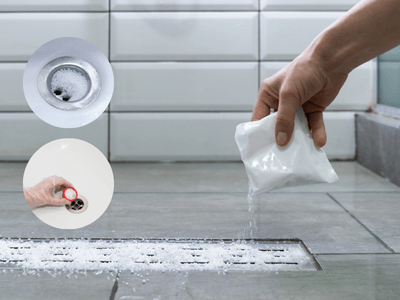
How Commercial Drain Cleaners Damage Pipes, Health, and the Environment
Blocked drains are frustrating. A clogged kitchen sink or slow-draining shower tempts many homeowners and business managers to reach for commercial drain cleaners—those quick-fix bottles promising to dissolve hair, grease, and gunk in minutes. But beneath that convenience lies a troubling reality: commercial drain cleaners can do more harm than good.
At Saint Pete Plumbing, we’ve seen the long-term effects these chemical solutions have on pipes, health, and the planet. In this guide, we unpack the hidden dangers of these products, offer safer alternatives, and explain why calling a professional plumber is often the smarter—and safer—choice.
Table of Contents
1. What Are Commercial Drain Cleaners?
2. The Chemicals Inside: What’s Really in the Bottle?
3. How They Work (and Why That’s a Problem)
4. Damage to Plumbing Systems
5. Health Hazards to Humans and Pets
6. Environmental Impact of Drain Cleaners
7. Safer Alternatives to Chemical Cleaners
8. When to Call a Professional
9. Why Saint Pete Plumbing Recommends Avoiding Chemical Cleaners
10. Final Thoughts: Long-Term Drain Health
What Are Commercial Drain Cleaners?
Commercial drain cleaners are chemical-based products used to clear clogs in residential and commercial plumbing. Sold in liquid, gel, powder, or crystal form, they’re marketed as fast-acting solutions for tough drain blockages.
Common brands include:
✔ Drano®
✔ Liquid-Plumr®
✔ Zep®
✔ Rid-X® (biological enzyme-based)
While some enzyme-based options are safer, most store-bought cleaners use harsh synthetic chemicals that pose risks far beyond the pipes they’re poured into.
The Chemicals Inside: What's Really in the Bottle?
Understanding the ingredients is key to understanding the dangers.
Typical Active Ingredients:
✔ Sodium Hydroxide (Lye) – a powerful caustic that dissolves organic matter.
✔ Sulfuric Acid – highly corrosive, often used in industrial-strength products.
✔ Bleach (Sodium Hypochlorite) – a disinfectant that can create toxic gases when mixed with other chemicals.
✔ Aluminum Particles – used to create heat in chemical reactions.
✔ Foaming agents and dyes – for visual appeal, but not always safe.
These chemicals may be effective against hair, food particles, or grease—but at what cost?
How They Work (and Why That’s a Problem)
Chemical drain cleaners function by triggering a violent chemical reaction within the pipes. This reaction generates intense heat, sometimes exceeding 200°F, which can break down organic material causing the clog.
The problem?
✔ That same heat can warp PVC pipes.
✔ Chemicals may eat away at metal piping over time.
✔ The clog may not fully dissolve, leading to a re-blockage deeper in the line.
✔ Harsh chemicals can linger in pipes, posing risks for plumbers or DIYers during later repairs.
Damage to Plumbing Systems
As experienced plumbers, we’ve seen the long-term consequences of repeated chemical cleaner use:
PVC Pipes
✔Heat from the reaction can soften and deform the plastic.
✔Over time, this weakens joints, increasing the risk of leaks.
Metal Pipes (Copper, Galvanized Steel)
✔Acidic cleaners corrode metal from the inside out.
✔Accelerated rusting can lead to pinhole leaks or complete pipe failure.
Seals and Gaskets
Rubber seals and plastic components in traps and joints can degrade quickly when exposed to these chemicals.
Cost of Damage
What starts as a $10 bottle fix can result in a $1,000+ repair when it leads to a burst pipe, cracked fitting, or full pipe replacement.
Health Hazards to Humans and Pets
Household Risk
Even when used correctly, commercial drain cleaners pose serious health hazards:
Skin burns: Sodium hydroxide and sulfuric acid can cause chemical burns on contact.
Eye damage: Splash-back during pouring or plunging can lead to permanent eye injuries.
Respiratory issues: Vapors can cause coughing, throat irritation, or trigger asthma attacks.
Pet Exposure
Dogs and cats may accidentally step in or ingest spilled drain cleaner, resulting in toxicity or burns to paws and mouth.
Mix with Caution
Mixing drain cleaners—especially different brands or combining with vinegar, bleach, or ammonia—can create toxic gases like chloramine or chlorine, which are deadly in confined spaces.
Environmental Impact of Drain Cleaners
Once flushed down the drain, those chemicals don’t just disappear.
🌊 Water Pollution
✔Drain cleaners enter local sewage systems and can disrupt the microbial balance of wastewater treatment plants.
✔Not all treatment systems can filter these chemicals out, allowing them to enter rivers, lakes, and oceans.
🐠 Harm to Aquatic Life
✔Chemicals like lye and bleach can raise the pH of water, harming or killing fish and other aquatic organisms.
✔Accumulated toxins can travel up the food chain.
🌱 Soil Contamination
In areas with septic tanks or poor drainage, runoff from chemical cleaners can leach into the ground, affecting nearby plant life or contaminating well water.
Safer Alternatives to Chemical Cleaners
The good news: you don’t have to rely on harsh chemicals to keep your drains flowing.
🧼 DIY Natural Drain Cleaner
Baking Soda & Vinegar Method:
✔Pour ½ cup baking soda down the drain.
✔Follow with ½ cup vinegar.
✔Let fizz for 15 minutes, then flush with boiling water.
This can help loosen organic material without damaging pipes.
💧 Enzyme-Based Cleaners
✔Brands like Bio-Clean use natural bacteria and enzymes to eat away at organic clogs.
✔Safe for pipes, people, and pets.
✔Best for preventive maintenance, not emergencies.
🛠️ Mechanical Cleaning Tools
✔Plungers: Simple and effective.
✔Drain snakes (augers): Reach and pull out deeper blockages.
✔Wet/dry vacuums: Can suck clogs out of sink traps.
When to Call a Professional
Some clogs are symptoms of larger plumbing problems like tree root intrusion, pipe misalignment, or grease buildup deep in the line.
Call Saint Pete Plumbing if:
✔You’ve tried plunging or natural remedies with no success.
✔Drains back up repeatedly.
✔You notice multiple slow drains (could be a main line issue).
✔There’s a bad smell or gurgling sound from the pipes.
Our professionals use safe, effective methods like hydro jetting and video camera inspections to fix clogs without harming your pipes.
Why Saint Pete Plumbing Recommends Avoiding Chemical Cleaners
At Saint Pete Plumbing, we’re not just in the business of fixing clogs—we help homeowners protect their homes, health, and the environment.
Our Position:
✔Chemical drain cleaners cause more damage than they solve.
✔Repairs from chemical damage are far more expensive than hiring a plumber to clear a drain safely.
✔The environmental costs of these products are irreversible.
We provide affordable, fast, and eco-conscious alternatives to commercial drain cleaning.
Final Thoughts: Long-Term Drain Health
When your drain clogs, the temptation to grab a bottle of drain cleaner is understandable—but think twice. Commercial drain cleaners:
✔Damage your plumbing system
✔Endanger your family’s health
✔Harm the environment
Instead of a quick chemical fix, invest in long-term drain health. Regular maintenance, proper waste disposal, and calling professionals when needed will save you money, hassle, and ensure your plumbing system stays safe for years to come.
✅ Call the Drain Experts at Saint Pete Plumbing
If you’re dealing with persistent clogs or slow drains, don’t pour chemicals down the problem. Call Saint Pete Plumbing for a safer, smarter solution.
📞 (727)- 800- 7667
📍 Serving St. Petersburg, Gulfport, Pinellas Park, and surrounding areas
🌐 services@saintpeteplumbing.com– Schedule an appointment online today.

Recent Posts
Recent Comments
Categories
- Aerobic Septic Tank
- appliance
- Bathroom
- Bathroom Plumbing
- Burst Pipe
- Commercial Plumbing
- Dishwasher
- Drain Cleaning
- Drain Heater
- Emergency Plumbing
- Faucet
- flood
- Garbage Disposal
- Garden Hose
- Home Water Pressure
- house clean
- Leak Repair
- Low Water Pressure
- New Home Plumbing
- pipe repair
- Plumbing
- Plumbing Checklist
- Plumbing Services
- Plumbing Tips
- Residential Plumbing
- Restoration
- Septic Tank
- Sewage
- Sewer Backup
- Shower
- Shower Cartridge
- Sump Pumps
- Thermostatic
- Toilet
- Toilet Seal
- Toilet Tank
- Trap Primer
- Vent Pipes Plumbing
- video inspection
- Water Heaters
- Water Softening
Tags
- 24 hour commercial plumbing
- 24 Hour Emergency
- 24 hour faucet installation st petersburg
- 24 Hour Plumbing Services
- 24 hour residential plumbing
- affordable solutions
- Appliance Repair
- appliance repair and installation
- appliance repair service
- Appliance Repair St. Petersburg
- Best Water Damage Restoration
- Build
- Clean
- clean water
- clogged drain
- Commercial Plumbing
- Commercial plumbing services
- Design
- Dishwasher Installation
- Drano doesn't work
- Emergency Flood Damage Repair
- faucet installation
- Faucet Installation Cost Guide
- faucet repair
- Fix Leaky Faucet
- Flood Restoration
- Florida Sewage Backup
- Frozen Pipe
- Frozen Pipe Repair
- Garbage Disposal Plumbing
- Garbage Disposal Repair
- Garden Hose Leaking
- Garden Hose Repair
- How to fix a leaking hose pipe
- installation
- leaky faucet in St. Petersburg
- low water pressure
- Low Water Pressure and Dripping Faucets
- Pipe Repair
- pipe Replacement
- Plumber in Pinellas Park FL
- Plumber in St. Petersbur
- Plumbers St. Petersburg
- Plumbing Services
- plumbing services in Pinellas
- Plumbing Video Camera
- prevention services
- Re-Piping
- Repair
- Residential Plumbing
- residential plumbing services
- Restoration Contractors
- Roof
- Rooftop
- Services
- Sewage Backup Cleanup
- Sewage Cleanup Services
- Sewer Camera Inspection
- Softening & Filtration Systems
- St Petersburg Restoration Services
- Sump Pump Installation
- sump pump repair
- Sump Pumps
- Toilet Repair
- Trenchless pipe repair
- Underground pipe relining
- Underground Pipe Repair without Digging
- video inspection camera
- Washing Machine Repairs
- water damage restoration
- Water Extraction
- Water removal & extraction
- Water Softening
Popular Feeds
Get In Touch
Tags
- 24 hour commercial plumbing
- 24 Hour Emergency
- 24 hour faucet installation st petersburg
- 24 Hour Plumbing Services
- 24 hour residential plumbing
- affordable solutions
- Appliance Repair
- appliance repair and installation
- appliance repair service
- Appliance Repair St. Petersburg
- Best Water Damage Restoration
- Build
- Clean
- clean water
- clogged drain
- Commercial Plumbing
- Commercial plumbing services
- Design
- Dishwasher Installation
- Drano doesn't work
- Emergency Flood Damage Repair
- faucet installation
- Faucet Installation Cost Guide
- faucet repair
- Fix Leaky Faucet
- Flood Restoration
- Florida Sewage Backup
- Frozen Pipe
- Frozen Pipe Repair
- Garbage Disposal Plumbing
- Garbage Disposal Repair
- Garden Hose Leaking
- Garden Hose Repair
- How to fix a leaking hose pipe
- installation
- leaky faucet in St. Petersburg
- low water pressure
- Low Water Pressure and Dripping Faucets
- Pipe Repair
- pipe Replacement
- Plumber in Pinellas Park FL
- Plumber in St. Petersbur
- Plumbers St. Petersburg
- Plumbing Services
- plumbing services in Pinellas
- Plumbing Video Camera
- prevention services
- Re-Piping
- Repair
- Residential Plumbing
- residential plumbing services
- Restoration Contractors
- Roof
- Rooftop
- Services
- Sewage Backup Cleanup
- Sewage Cleanup Services
- Sewer Camera Inspection
- Softening & Filtration Systems
- St Petersburg Restoration Services
- Sump Pump Installation
- sump pump repair
- Sump Pumps
- Toilet Repair
- Trenchless pipe repair
- Underground pipe relining
- Underground Pipe Repair without Digging
- video inspection camera
- Washing Machine Repairs
- water damage restoration
- Water Extraction
- Water removal & extraction
- Water Softening

Categories
- Aerobic Septic Tank
- appliance
- Bathroom
- Bathroom Plumbing
- Burst Pipe
- Commercial Plumbing
- Dishwasher
- Drain Cleaning
- Drain Heater
- Emergency Plumbing
- Faucet
- flood
- Garbage Disposal
- Garden Hose
- Home Water Pressure
- house clean
- Leak Repair
- Low Water Pressure
- New Home Plumbing
- pipe repair
- Plumbing
- Plumbing Checklist
- Plumbing Services
- Plumbing Tips
- Residential Plumbing
- Restoration
- Septic Tank
- Sewage
- Sewer Backup
- Shower
- Shower Cartridge
- Sump Pumps
- Thermostatic
- Toilet
- Toilet Seal
- Toilet Tank
- Trap Primer
- Vent Pipes Plumbing
- video inspection
- Water Heaters
- Water Softening
Get In Touch



Leave a comment