
Blog Details
- Home
- Blog Details
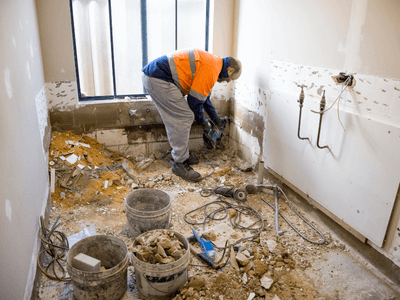
Plumbing Issues After Buying a House? Here’s What to Do 2025
Buying a home is one of the most exciting—and expensive—milestones in life. Whether it’s your first home in Saint Petersburg or a new upgrade for your growing family, the last thing you want to deal with after moving in is plumbing problems. Unfortunately, many new homeowners discover unexpected plumbing issues soon after closing.
At Saint Pete Plumbing, we regularly get calls from new homeowners dealing with anything from leaky faucets and slow drains to burst pipes or outdated water heaters. If you’ve just purchased a home and discovered something’s not quite right with the plumbing, this 2025 guide will walk you through what to do next—step by step.
Table of Contents
1.Why Plumbing Issues Often Arise After Home Purchase
2.The Most Common Post-Purchase Plumbing Problems
3.Step-by-Step Guide: What to Do When You Find a Problem
4.What Should Have Been Caught During Inspection?
5.Legal Recourse: Are You Covered by the Seller’s Disclosure?
6.When to Call a Professional Plumber
7.Smart Preventive Plumbing Tips for New Homeowners
8.Why Choose Saint Pete Plumbing for Your New Home
Why Plumbing Issues Often Arise After Home Purchase
You may be wondering, “Wasn’t the home inspection supposed to catch this?” In theory—yes. But even a thorough inspection can miss things, especially if:
>Pipes are hidden behind walls or underground
>Problems are intermittent (e.g., occasional backups)
>Issues were temporarily patched by the seller
>The home sat vacant before the sale
>Water systems weren’t tested under full occupancy
In many cases, plumbing systems only reveal their true condition once a home is lived in again and water usage increases.
The Most Common Post-Purchase Plumbing Problems
Clogged or Backed-Up Drains
Old pipes can collect years of grease, hair, and debris, which show up once you start using the showers, kitchen sink, or toilets regularly.
Leaky Faucets or Toilets
Slow drips can go unnoticed during a quick inspection but add up over time and inflate your water bill.
Low Water Pressure
This might be due to a clogged aerator, old galvanized pipes, or issues with the main line.
Running Toilets
Worn-out flappers or faulty fill valves can waste hundreds of gallons of water daily.
Water Heater Trouble
If the water takes forever to heat—or smells like rotten eggs—it could signal sediment buildup or bacterial growth.
Hidden Leaks
Leaks behind walls or under floors can cause mold growth, rot, and structural damage if not caught early.
Sewer Line Issues
Tree roots invading the sewer line are a major cause of post-sale plumbing repairs in older Saint Pete neighborhoods.
Step-by-Step Guide: What to Do When You Find a Problem
Step 1: Stay Calm and Document the Issue
Take clear photos or videos of the problem, especially if water is visible or there’s property damage.
Step 2: Check Home Inspection Report
Did the inspection mention this issue or warn of future problems? This can determine liability and next steps.
Step 3: Look for Shut-Off Valves
If there’s an active leak, shut off water to that fixture or use the main valve to stop the flow immediately.
Step 4: Assess If It’s DIY or Needs a Pro
Clogged sinks or dripping faucets may be handled with basic tools, but anything involving sewer, structural damage, or hidden leaks needs a licensed plumber.
Step 5: Contact Saint Pete Plumbing
We offer fast inspections and emergency repairs, especially for new homeowners looking for trustworthy guidance.
Step 6: Check for Warranties or Insurance
Your homeowner’s insurance might cover damage. Some sellers also include a one-year home warranty that may cover plumbing.
What Should Have Been Caught During Inspection?
Not all plumbing issues fall under the inspector’s responsibility. However, a certified inspector should have caught:
>Obvious leaks
>Signs of water damage
>Slow-draining fixtures
>Rusty water or pipe corrosion
>Water heater age and condition
>Unpermitted plumbing modifications
If these weren’t flagged in your inspection report, you may have a case for repair compensation from the seller or inspector.
Legal Recourse: Are You Covered by the Seller’s Disclosure?
Florida law requires sellers to disclose known material defects. If they failed to disclose something major like a recurring leak, corroded piping, or prior flooding, you may be eligible to:
>Request repairs
>Seek reimbursement
>File a small claims lawsuit (in serious cases)
Always consult with a local real estate attorney if you suspect the seller withheld information or made temporary fixes to mask bigger problems.
When to Call a Professional Plumber
Here are the signs that you should stop troubleshooting and call Saint Pete Plumbing:
>Water backing up from multiple drains
>Wet spots under flooring or in ceilings
>Consistently low water pressure throughout the home
>No hot water or inconsistent heating
>Moldy smell or visible mildew
>Water meter spinning when all water is off
>Old galvanized steel or polybutylene piping
Even if the issue seems small, calling a licensed plumber can prevent major damage and ensure it’s done to code.
Smart Preventive Plumbing Tips for New Homeowners
Once your initial issues are fixed, follow these tips to avoid future problems:
Schedule a Full Plumbing Inspection
Get a second opinion beyond the home inspection. We use camera scopes and pressure testing to assess hidden pipe health.
Install Drain Screens
Keep hair, food, and debris out of your plumbing.
Flush Your Water Heater
Sediment buildup can shorten your heater’s lifespan. Flush once a year.
Watch Landscaping
Don’t plant trees near your main sewer line. Roots cause thousands in damage.
Know Your Shut-Off Valves
Label and test all shut-off valves, including toilets, sinks, and the main.
Consider a Home Plumbing Warranty
They can help offset future repair costs for unexpected issues.
Why Choose Saint Pete Plumbing for Your New Home?
Saint Pete Plumbing is trusted by hundreds of new homeowners throughout Pinellas County for one simple reason: we care about your peace of mind. We understand that you’ve just made a huge investment—and we’re here to protect it.
Here’s what makes us different:
✅ Certified and Insured Plumbers
✅ Full Plumbing Inspections Available
✅ Camera Drain Scoping and Leak Detection
✅ Transparent Estimates and No Upselling
✅ Fast Emergency Response
✅ Familiar with Old and New Homes in Saint Pete
Whether your home is brand new or built in the 1950s, we know how to work with every type of pipe, system, and surprise.
Real Homeowner Example
Case Study:
New homeowner called us 2 weeks post-purchase when water started pooling in their crawlspace. Our team discovered a rusted cast-iron mainline that had corroded underneath the home—a ticking time bomb missed during inspection. We replaced the entire section using trenchless pipe lining within 24 hours, saving the new owners thousands in flooring damage.
Final Thoughts: Don’t Let Plumbing Problems Steal Your Joy
Buying a home should be joyful—not stressful. If you’ve encountered plumbing issues after closing, remember: you’re not alone, and you’re not stuck.
Most problems can be addressed quickly and affordably, especially with help from a team that puts your interests first. The sooner you take action, the less damage and cost you’ll face.
Need Help Right Now?
📞 Call Saint Pete Plumbing at (727) 800 – 7667
🛠️ Request a New Homeowner Plumbing Inspection
🌐 Book Online at: www.saintpeteplumbing.com or Email: services@saintpeteplumbing.com
📍 Serving Saint Petersburg, Gulfport, Tierra Verde, Pinellas Park, and beyond.

Recent Posts
Recent Comments
Categories
- Aerobic Septic Tank
- appliance
- Bathroom
- Bathroom Plumbing
- Burst Pipe
- Commercial Plumbing
- Dishwasher
- Drain Cleaning
- Drain Heater
- Emergency Plumbing
- Faucet
- flood
- Garbage Disposal
- Garden Hose
- Home Water Pressure
- house clean
- Leak Repair
- Low Water Pressure
- New Home Plumbing
- pipe repair
- Plumbing
- Plumbing Checklist
- Plumbing Services
- Plumbing Tips
- Residential Plumbing
- Restoration
- Septic Tank
- Sewage
- Sewer Backup
- Shower
- Shower Cartridge
- Sump Pumps
- Thermostatic
- Toilet
- Toilet Seal
- Toilet Tank
- Trap Primer
- Vent Pipes Plumbing
- video inspection
- Water Heaters
- Water Softening
Tags
- 24 hour commercial plumbing
- 24 Hour Emergency
- 24 hour faucet installation st petersburg
- 24 Hour Plumbing Services
- 24 hour residential plumbing
- affordable solutions
- Appliance Repair
- appliance repair and installation
- appliance repair service
- Appliance Repair St. Petersburg
- Best Water Damage Restoration
- Build
- Clean
- clean water
- clogged drain
- Commercial Plumbing
- Commercial plumbing services
- Design
- Dishwasher Installation
- Drano doesn't work
- Emergency Flood Damage Repair
- faucet installation
- Faucet Installation Cost Guide
- faucet repair
- Fix Leaky Faucet
- Flood Restoration
- Florida Sewage Backup
- Frozen Pipe
- Frozen Pipe Repair
- Garbage Disposal Plumbing
- Garbage Disposal Repair
- Garden Hose Leaking
- Garden Hose Repair
- How to fix a leaking hose pipe
- installation
- leaky faucet in St. Petersburg
- low water pressure
- Low Water Pressure and Dripping Faucets
- Pipe Repair
- pipe Replacement
- Plumber in Pinellas Park FL
- Plumber in St. Petersbur
- Plumbers St. Petersburg
- Plumbing Services
- plumbing services in Pinellas
- Plumbing Video Camera
- prevention services
- Re-Piping
- Repair
- Residential Plumbing
- residential plumbing services
- Restoration Contractors
- Roof
- Rooftop
- Services
- Sewage Backup Cleanup
- Sewage Cleanup Services
- Sewer Camera Inspection
- Softening & Filtration Systems
- St Petersburg Restoration Services
- Sump Pump Installation
- sump pump repair
- Sump Pumps
- Toilet Repair
- Trenchless pipe repair
- Underground pipe relining
- Underground Pipe Repair without Digging
- video inspection camera
- Washing Machine Repairs
- water damage restoration
- Water Extraction
- Water removal & extraction
- Water Softening
Popular Feeds
Get In Touch
Tags
- 24 hour commercial plumbing
- 24 Hour Emergency
- 24 hour faucet installation st petersburg
- 24 Hour Plumbing Services
- 24 hour residential plumbing
- affordable solutions
- Appliance Repair
- appliance repair and installation
- appliance repair service
- Appliance Repair St. Petersburg
- Best Water Damage Restoration
- Build
- Clean
- clean water
- clogged drain
- Commercial Plumbing
- Commercial plumbing services
- Design
- Dishwasher Installation
- Drano doesn't work
- Emergency Flood Damage Repair
- faucet installation
- Faucet Installation Cost Guide
- faucet repair
- Fix Leaky Faucet
- Flood Restoration
- Florida Sewage Backup
- Frozen Pipe
- Frozen Pipe Repair
- Garbage Disposal Plumbing
- Garbage Disposal Repair
- Garden Hose Leaking
- Garden Hose Repair
- How to fix a leaking hose pipe
- installation
- leaky faucet in St. Petersburg
- low water pressure
- Low Water Pressure and Dripping Faucets
- Pipe Repair
- pipe Replacement
- Plumber in Pinellas Park FL
- Plumber in St. Petersbur
- Plumbers St. Petersburg
- Plumbing Services
- plumbing services in Pinellas
- Plumbing Video Camera
- prevention services
- Re-Piping
- Repair
- Residential Plumbing
- residential plumbing services
- Restoration Contractors
- Roof
- Rooftop
- Services
- Sewage Backup Cleanup
- Sewage Cleanup Services
- Sewer Camera Inspection
- Softening & Filtration Systems
- St Petersburg Restoration Services
- Sump Pump Installation
- sump pump repair
- Sump Pumps
- Toilet Repair
- Trenchless pipe repair
- Underground pipe relining
- Underground Pipe Repair without Digging
- video inspection camera
- Washing Machine Repairs
- water damage restoration
- Water Extraction
- Water removal & extraction
- Water Softening

Categories
- Aerobic Septic Tank
- appliance
- Bathroom
- Bathroom Plumbing
- Burst Pipe
- Commercial Plumbing
- Dishwasher
- Drain Cleaning
- Drain Heater
- Emergency Plumbing
- Faucet
- flood
- Garbage Disposal
- Garden Hose
- Home Water Pressure
- house clean
- Leak Repair
- Low Water Pressure
- New Home Plumbing
- pipe repair
- Plumbing
- Plumbing Checklist
- Plumbing Services
- Plumbing Tips
- Residential Plumbing
- Restoration
- Septic Tank
- Sewage
- Sewer Backup
- Shower
- Shower Cartridge
- Sump Pumps
- Thermostatic
- Toilet
- Toilet Seal
- Toilet Tank
- Trap Primer
- Vent Pipes Plumbing
- video inspection
- Water Heaters
- Water Softening
Get In Touch



Leave a comment