
Blog Details
- Home
- Blog Details
How Septic System Design Impacts Performance, Cost, and Longevity
When it comes to maintaining a safe, efficient, and long-lasting wastewater treatment system, septic system design is one of the most critical factors. For homeowners in St. Petersburg and across Pinellas County, where soil conditions, water tables, and property layouts vary widely, the design of a septic system can make the difference between decades of reliable service and recurring headaches, backups, and costly repairs.
In this guide, the experts at Saint Pete Plumbing break down how septic system design influences performance, cost, and longevity—helping you make informed decisions whether you’re installing a new system, replacing an old one, or evaluating property for purchase.
Why Septic System Design Matters
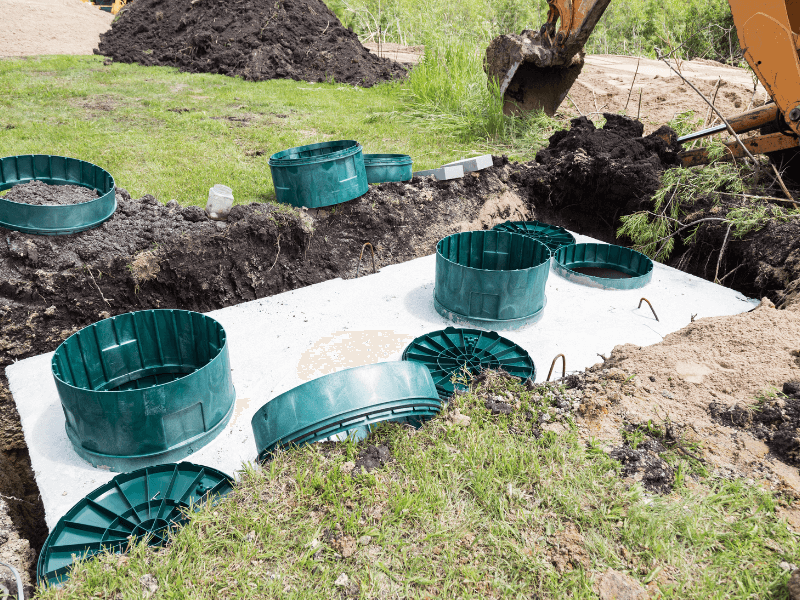
A septic system isn’t just a buried tank—it’s a carefully engineered setup designed to treat wastewater safely and efficiently on-site. Every component, from the tank size to the drainfield configuration, plays a role in how well the system handles household waste.
A poorly designed system may work initially but will eventually struggle with:
✔Frequent clogs and backups
✔Overloaded drainfields
✔Excessive pumping needs
✔Shortened lifespan
✔Higher long-term costs
On the other hand, a well-designed septic system will:
✔Handle the property’s wastewater load consistently
✔Minimize maintenance and emergency repairs
✔Protect groundwater and local ecosystems
✔Deliver decades of service (20–40+ years)
Key Factors in Septic System Design
Several factors affect how a septic system is designed. Let’s explore them in detail:
1. Household Size and Water Usage
The number of people living in your home directly impacts water usage and wastewater volume. Septic tanks are usually sized by the number of bedrooms, assuming two people per bedroom, rather than by bathrooms alone.
👉A two-bedroom home might need a 750–900-gallon tank.
👉A four-bedroom home typically requires a 1,200–1,500-gallon tank.
If your family uses more water than average (due to long showers, frequent laundry, or dishwashing), a larger system may be needed to prevent overload.
2. Soil Conditions
Soil type determines how quickly water can drain and filter through the ground. Sandy soil (common in Pinellas County) provides good drainage but may risk contamination if not properly managed. Clay soils drain slowly, requiring larger or alternative drainfield designs.
Percolation tests (or “perc tests”) are performed before installation to determine soil absorption capacity. Poor soil drainage often means additional costs for advanced systems.
3. Water Table and Property Layout
St. Petersburg’s proximity to the Gulf means higher water tables in many neighborhoods. If groundwater is too close to the surface, traditional drainfields may not work. In these cases, engineers may recommend:
👉Raised mound systems
👉Aerobic treatment systems
👉Larger drainfields with shallow trenches
The location of trees, driveways, and property boundaries also limits where a septic system can be installed. A compact lot may require a more engineered system.
4. Tank and Drainfield Design
The septic tank separates solids from wastewater, while the drainfield disperses the treated water. Proper design ensures:
👉Solids don’t clog the drainfield.
👉Effluent disperses evenly across the field.
👉System components are accessible for maintenance.
Drainfield design can vary—trench systems, chamber systems, or drip irrigation systems are all options depending on property and soil needs.
5. Local Regulations and Permits
Florida has strict regulations for septic system installation and replacement, especially in coastal zones. Designs must meet Florida Department of Health standards and sometimes require enhanced treatment systems to protect local waterways.
Homeowners should always work with licensed septic professionals who understand local requirements. Non-compliant systems can result in fines, required upgrades, or denial of property sales.
How Design Impacts System Performance
A septic system is only as good as its design. Here’s how design factors directly impact day-to-day performance:
👉Tank size too small → frequent backups and pumping needs.
👉Poor drainfield placement → wastewater surfacing in the yard.
👉Inadequate soil testing → effluent contaminates groundwater.
👉Improper slope or grading → uneven wastewater distribution.
A properly designed system runs quietly in the background. You won’t notice it because it’s doing its job—handling waste effectively without odors, puddles, or issues.
How Design Affects Cost
The upfront installation cost of a septic system in St. Petersburg typically ranges from $6,000 to $15,000+, depending on complexity. But design choices influence both short-term installation costs and long-term expenses.
Lower Initial Costs (Basic Design)
> Standard tank and drainfield in good soil.
> Cheaper upfront but may need frequent pumping or earlier replacement.
Higher Initial Costs (Engineered Systems)
> Aerobic treatment units or mound systems.
> More expensive installation ($15k–$25k).
> Lower risk of failures, fewer repairs, longer lifespan.
Long-Term Costs
A poorly designed system may seem cheaper at first but often leads to:
> Emergency pump-outs ($300–$500 each)
> Drainfield repairs ($3,000–$8,000)
> Full system replacements in 10–15 years instead of 25–40 years
Investing in a well-designed system upfront almost always saves money over time.
How Design Impacts Longevity
Most septic systems last 20–40 years. But lifespan depends heavily on design.
>Right-sized system + good soil + proper drainfield → 30–40 years
>Undersized or poorly designed system → 10–15 years (sometimes less)
Design elements that extend lifespan:
>Adequate tank capacity to prevent overload
>Proper effluent filtering before entering the drainfield
>Good soil absorption capacity
>Accessibility for regular maintenance
Design elements that shorten lifespan:
>High water table with inadequate engineering
>Poorly placed drainfield near trees (root intrusion)
>Incorrect slope or grading
>No room for a future replacement field
Signs of a Poorly Designed Septic System
Even with proper maintenance, some systems fail prematurely because of design flaws. Warning signs include:
✔Frequent backups despite regular pumping
✔Standing water or foul odors near the drainfield
✔Greener, spongier grass over the drainfield
✔Household drains running slow even without clogs
✔Septic tank requiring pump-outs more often than recommended
If you see these signs, it may not be a maintenance issue—it could be a design problem.
Septic Design and the Environment
A well-designed septic system not only benefits your household but also protects the environment. Poorly designed systems can leak untreated wastewater into groundwater, lakes, and the Gulf, contributing to harmful algal blooms and water contamination.
Saint Pete Plumbing works with environmentally responsible designs that comply with Florida regulations and protect Pinellas County’s delicate ecosystem.
Professional Septic System Design in St. Petersburg
Because of Florida’s unique soil and water conditions, septic system design is not a DIY project. Working with experienced professionals ensures:
✔Proper soil and site evaluation
✔Correct tank and drainfield sizing
✔Compliance with local health department requirements
✔Long-term system reliability
At Saint Pete Plumbing, we help homeowners with new septic installations, replacements, and upgrades. We evaluate your property conditions carefully, recommend the most cost-effective solution, and design a system that delivers decades of reliable performance.
Final Thoughts
When it comes to septic systems, design is destiny. The way your system is planned, engineered, and installed determines how well it will perform, how much it will cost you over time, and how long it will last.
A well-designed septic system can serve your St. Petersburg home for 30–40 years with minimal problems. A poorly designed one, however, can fail in less than half that time, costing thousands in unexpected repairs and replacements.
If you’re building, buying, or replacing a septic system in Pinellas County, trust the experts at Saint Pete Plumbing to design a system that works for your property, your budget, and your long-term peace of mind.
✅ Call Saint Pete Plumbing today to schedule a septic system evaluation or consultation. Protect your home, your wallet, and the environment with smart septic design.
📞 Call Saint Pete Plumbing at (727) 800- 7667
🌐 Book Your Appointment Online at – www.saintpeteplumbing.com
📍 Serving All of St. Petersburg, Gulfport, and Pinellas County

Recent Comments
Categories
- Aerobic Septic Tank
- appliance
- Bathroom
- Bathroom Plumbing
- Burst Pipe
- Commercial Plumbing
- Dishwasher
- Drain Cleaning
- Drain Heater
- Emergency Plumbing
- Faucet
- flood
- Garbage Disposal
- Garden Hose
- Home Water Pressure
- house clean
- Leak Repair
- Low Water Pressure
- New Home Plumbing
- pipe repair
- Plumbing
- Plumbing Checklist
- Plumbing Services
- Plumbing Tips
- Residential Plumbing
- Restoration
- Septic Tank
- Sewage
- Sewer Backup
- Shower
- Shower Cartridge
- Sump Pumps
- Thermostatic
- Toilet
- Toilet Seal
- Toilet Tank
- Trap Primer
- Vent Pipes Plumbing
- video inspection
- Water Heaters
- Water Softening
Tags
- 24 hour commercial plumbing
- 24 Hour Emergency
- 24 hour faucet installation st petersburg
- 24 Hour Plumbing Services
- 24 hour residential plumbing
- affordable solutions
- Appliance Repair
- appliance repair and installation
- appliance repair service
- Appliance Repair St. Petersburg
- Best Water Damage Restoration
- Build
- Clean
- clean water
- clogged drain
- Commercial Plumbing
- Commercial plumbing services
- Design
- Dishwasher Installation
- Drano doesn't work
- Emergency Flood Damage Repair
- faucet installation
- Faucet Installation Cost Guide
- faucet repair
- Fix Leaky Faucet
- Flood Restoration
- Florida Sewage Backup
- Frozen Pipe
- Frozen Pipe Repair
- Garbage Disposal Plumbing
- Garbage Disposal Repair
- Garden Hose Leaking
- Garden Hose Repair
- How to fix a leaking hose pipe
- installation
- leaky faucet in St. Petersburg
- low water pressure
- Low Water Pressure and Dripping Faucets
- Pipe Repair
- pipe Replacement
- Plumber in Pinellas Park FL
- Plumber in St. Petersbur
- Plumbers St. Petersburg
- Plumbing Services
- plumbing services in Pinellas
- Plumbing Video Camera
- prevention services
- Re-Piping
- Repair
- Residential Plumbing
- residential plumbing services
- Restoration Contractors
- Roof
- Rooftop
- Services
- Sewage Backup Cleanup
- Sewage Cleanup Services
- Sewer Camera Inspection
- Softening & Filtration Systems
- St Petersburg Restoration Services
- Sump Pump Installation
- sump pump repair
- Sump Pumps
- Toilet Repair
- Trenchless pipe repair
- Underground pipe relining
- Underground Pipe Repair without Digging
- video inspection camera
- Washing Machine Repairs
- water damage restoration
- Water Extraction
- Water removal & extraction
- Water Softening
Popular Feeds
-
Plumbing Vent Pipes: Importance & Issues
January 28, 2026 -
How Do Thermostatic Shower Valves Work?
January 23, 2026 -
Tree Roots in Your Drains? Here’s Why and What You Need to Know!
January 19, 2026
Get In Touch
Tags
- 24 hour commercial plumbing
- 24 Hour Emergency
- 24 hour faucet installation st petersburg
- 24 Hour Plumbing Services
- 24 hour residential plumbing
- affordable solutions
- Appliance Repair
- appliance repair and installation
- appliance repair service
- Appliance Repair St. Petersburg
- Best Water Damage Restoration
- Build
- Clean
- clean water
- clogged drain
- Commercial Plumbing
- Commercial plumbing services
- Design
- Dishwasher Installation
- Drano doesn't work
- Emergency Flood Damage Repair
- faucet installation
- Faucet Installation Cost Guide
- faucet repair
- Fix Leaky Faucet
- Flood Restoration
- Florida Sewage Backup
- Frozen Pipe
- Frozen Pipe Repair
- Garbage Disposal Plumbing
- Garbage Disposal Repair
- Garden Hose Leaking
- Garden Hose Repair
- How to fix a leaking hose pipe
- installation
- leaky faucet in St. Petersburg
- low water pressure
- Low Water Pressure and Dripping Faucets
- Pipe Repair
- pipe Replacement
- Plumber in Pinellas Park FL
- Plumber in St. Petersbur
- Plumbers St. Petersburg
- Plumbing Services
- plumbing services in Pinellas
- Plumbing Video Camera
- prevention services
- Re-Piping
- Repair
- Residential Plumbing
- residential plumbing services
- Restoration Contractors
- Roof
- Rooftop
- Services
- Sewage Backup Cleanup
- Sewage Cleanup Services
- Sewer Camera Inspection
- Softening & Filtration Systems
- St Petersburg Restoration Services
- Sump Pump Installation
- sump pump repair
- Sump Pumps
- Toilet Repair
- Trenchless pipe repair
- Underground pipe relining
- Underground Pipe Repair without Digging
- video inspection camera
- Washing Machine Repairs
- water damage restoration
- Water Extraction
- Water removal & extraction
- Water Softening

Categories
- Aerobic Septic Tank
- appliance
- Bathroom
- Bathroom Plumbing
- Burst Pipe
- Commercial Plumbing
- Dishwasher
- Drain Cleaning
- Drain Heater
- Emergency Plumbing
- Faucet
- flood
- Garbage Disposal
- Garden Hose
- Home Water Pressure
- house clean
- Leak Repair
- Low Water Pressure
- New Home Plumbing
- pipe repair
- Plumbing
- Plumbing Checklist
- Plumbing Services
- Plumbing Tips
- Residential Plumbing
- Restoration
- Septic Tank
- Sewage
- Sewer Backup
- Shower
- Shower Cartridge
- Sump Pumps
- Thermostatic
- Toilet
- Toilet Seal
- Toilet Tank
- Trap Primer
- Vent Pipes Plumbing
- video inspection
- Water Heaters
- Water Softening
Get In Touch



Leave a comment